China's Tech Giants Face AI Profitability Test Amidst Global Spending Surge
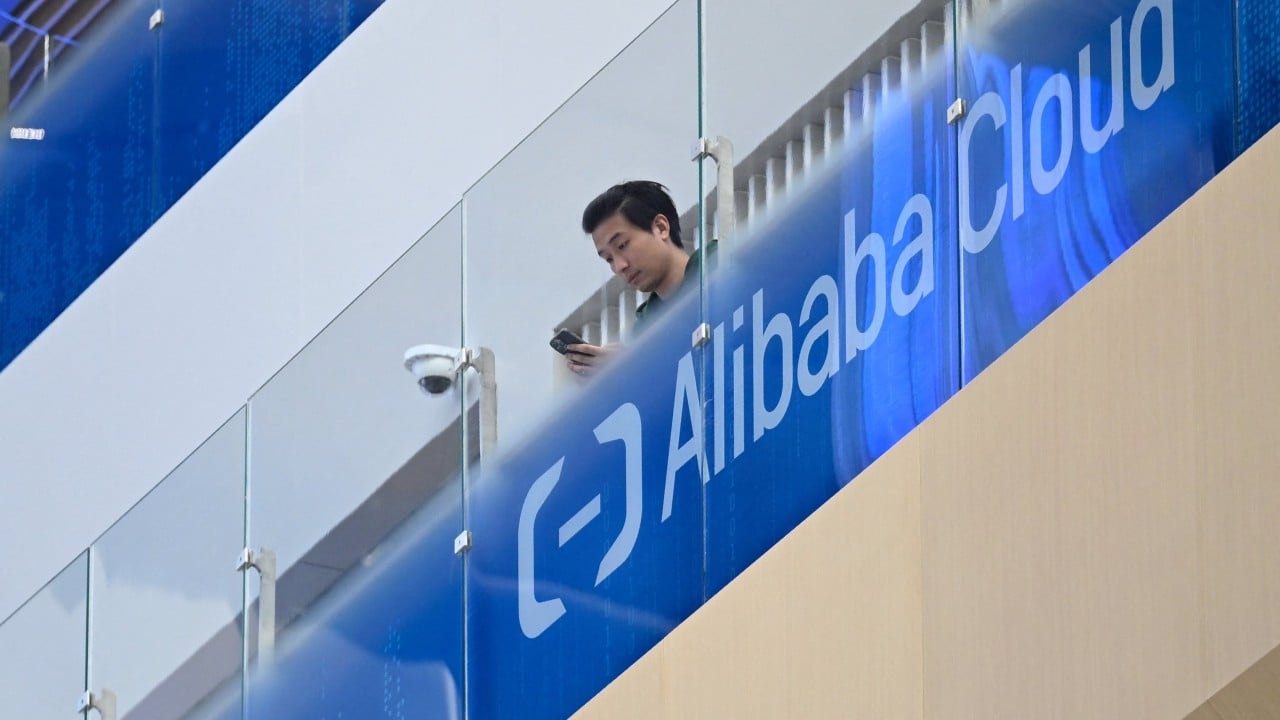
Similar to their US counterparts, China's leading technology companies are under pressure to demonstrate that substantial investments in artificial intelligence infrastructure will translate into long-term, sustainable profits. Global investors are increasingly scrutinizing the massive AI budgets of major tech firms, reflecting a broader market anxiety. This situation mirrors the challenges faced by US tech giants like Meta Platforms, whose significant AI expenditures have drawn investor attention. The core issue revolves around monetizing AI capabilities and ensuring these investments yield a return beyond initial development costs. Chinese tech leaders must now devise strategies to effectively leverage their AI advancements for revenue generation. The success of these strategies will be crucial in maintaining investor confidence and securing future growth in an increasingly competitive AI landscape. The ability to translate AI research and development into tangible business value is paramount for these companies.
The current global focus on AI spending highlights a critical inflection point for major technology firms in both the US and China. The challenge is shifting from rapid technological development and infrastructure build-out to demonstrating clear, scalable, and profitable business models. Investors are seeking evidence of sustainable revenue streams derived from AI, rather than solely relying on market share expansion or speculative future applications. This necessitates a strategic pivot towards productization, service integration, and identifying niche markets where AI offers a distinct competitive advantage and pricing power. The next decade will likely see a divergence between companies that can effectively monetize AI and those that struggle to justify their substantial R&D outlays, potentially leading to market consolidation and a re-evaluation of corporate valuations based on tangible AI-driven profitability.
AI-generated to prompt reflection — not editorial opinion, not advice, not a statement of fact. How this works.