China's Tianwen-2 Spacecraft Nears Asteroid, Reveals Smaller-Than-Expected Target
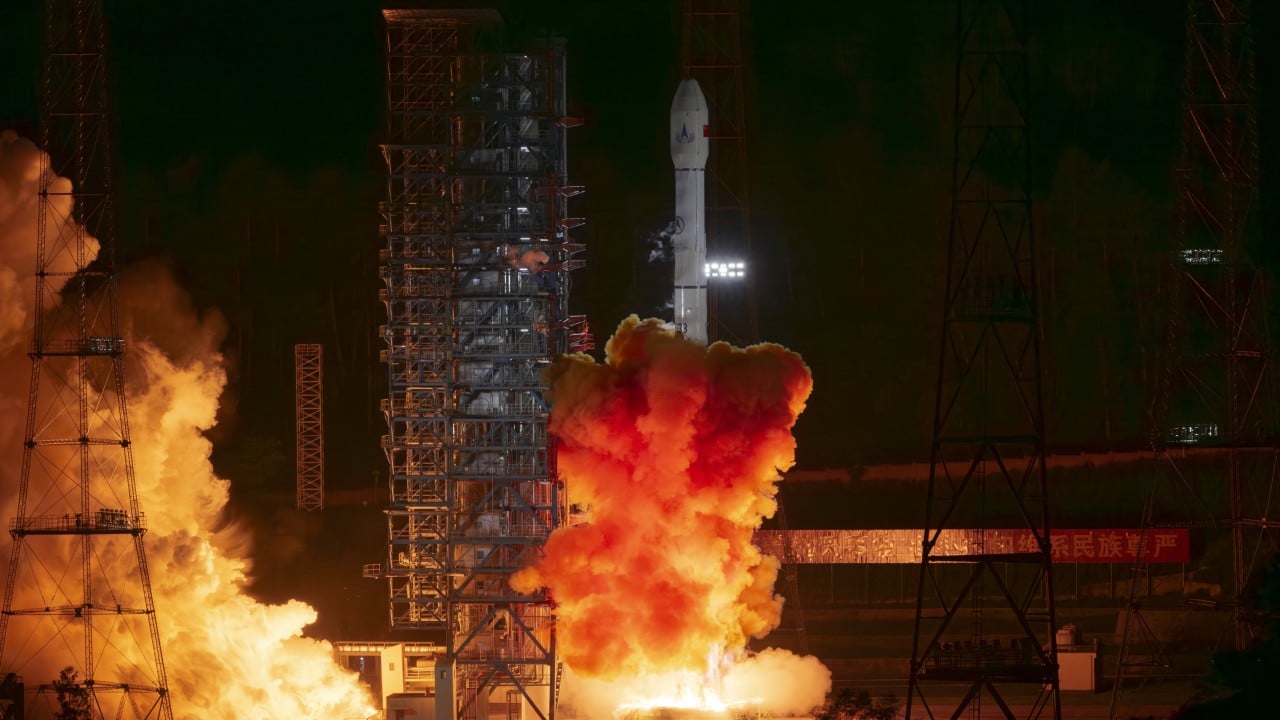
China's Tianwen-2 spacecraft has captured its initial close-up images of its target near-Earth asteroid, revealing it to be smaller than scientists had predicted. This discovery presents a significant challenge, as the reduced size is expected to make the sample-return mission considerably more difficult than prior Japanese and American endeavors. The China National Space Administration (CNSA) announced on Monday that the probe acquired these images from approximately 20 kilometers (12.4 miles) away from the asteroid, designated 2016 HO3, during its approach phase. The spacecraft was sufficiently close to commence its operational sequence.
The Tianwen-2 mission's early findings highlight the inherent uncertainties in space exploration, particularly concerning the precise characteristics of celestial bodies. The unexpected size of the asteroid 2016 HO3 introduces a novel engineering challenge, potentially requiring adjustments to mission parameters and sample collection strategies. This situation underscores the need for adaptable mission designs that can account for unforeseen variations in target objects. Future asteroid sample-return missions may benefit from enhanced remote sensing capabilities prior to close approach, allowing for more accurate assessments of size and morphology to better prepare for complex retrieval operations.
AI-generated to prompt reflection — not editorial opinion, not advice, not a statement of fact. How this works.