China's UBTech unveils hyper-realistic humanoid robot for companionship
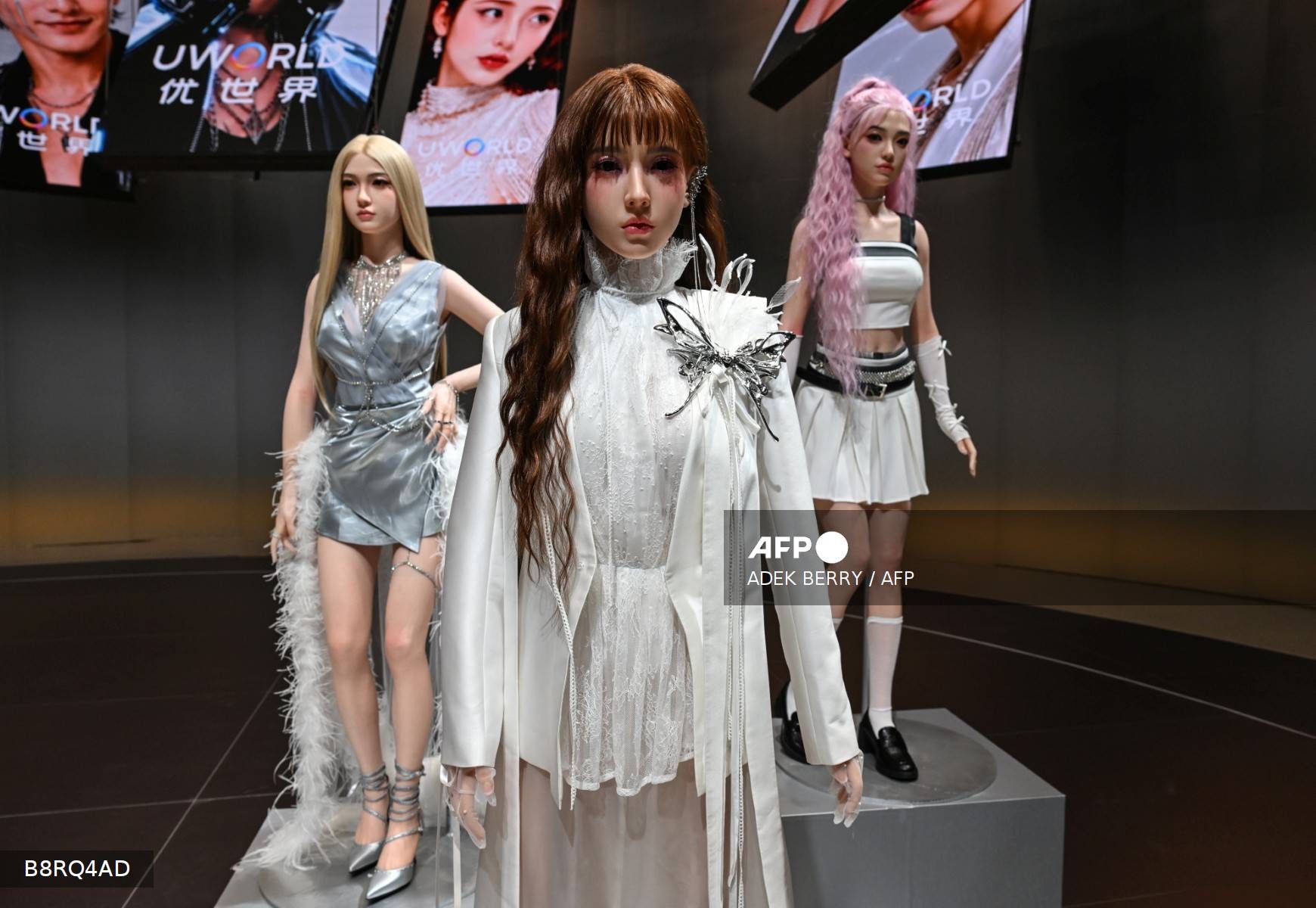
Chinese company UBTech Robotics has launched the U1, a hyper-realistic humanoid robot designed to combat loneliness and offer emotional companionship. The U1 features soft skin, a gentle voice, and artificial intelligence, capable of listening to users' problems 24 hours a day. Priced from 119,800 yuan (approximately R$ 91,000), the robot is marketed as the "world's first full-size humanoid robot with an ultra-realistic appearance." It aims to serve China's large single population, estimated at 120 million, and the growing elderly demographic of 320 million people over 60. The U1 can offer comfort, detect stress, learn user preferences over time, and provide health reminders, including medication schedules and clothing advice. While it can move its head, eyes, and mouth, it does not perform household chores or offer intimate services. The robot is available in male and female versions, with customizable appearances, and prices can reach up to 990,000 yuan (R$ 753,000) for premium models. UBTech asserts that user data is encrypted and will not be used for AI training, addressing privacy concerns. China is a global leader in humanoid robot development, with the market projected to reach $2 billion this year and $15 billion by 2030, reflecting a strategic focus for Beijing's national development plans.
The introduction of hyper-realistic humanoid robots like UBTech's U1 reflects a societal response to increasing rates of loneliness and an aging population, particularly in China. While these robots offer potential benefits in providing companionship and support, they also raise significant ethical and societal questions. The development highlights a growing market for AI-driven emotional support, pushing the boundaries of human-robot interaction. However, concerns regarding emotional dependency, data privacy, and the potential for these technologies to displace genuine human connection warrant careful consideration. As China prioritizes robotics, the long-term impact on social structures and individual well-being will depend on how these advanced AI companions are integrated and regulated, balancing technological advancement with humanistic values.
AI-generated to prompt reflection — not editorial opinion, not advice, not a statement of fact. How this works.