China's Visual Heritage vs. Western Luxury Brands: A Legal and Cultural Clash
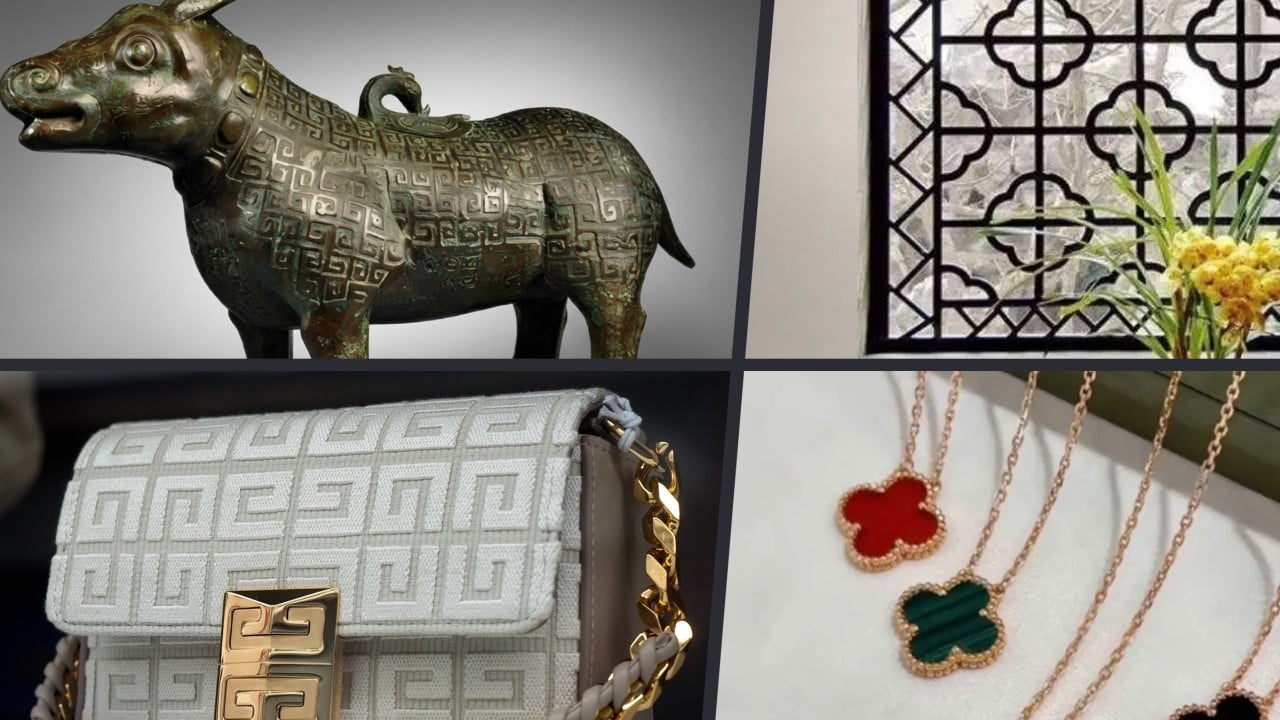
A recent ruling by a Suzhou court has sparked debate in China regarding the protection of visual heritage against exploitation by Western luxury brands. Molly Tea, a Chinese tea chain, was ordered to pay Louis Vuitton 10.3 million yuan (US$1.5 million) for allegedly infringing on the French luxury house's registered trademarks with its four-petal floral pattern. This decision angered many Chinese internet users who pointed to similar motifs found in Tang dynasty artifacts, musical instruments, and Suzhou garden architecture, predating Louis Vuitton's establishment in 1854. The case highlights a growing tension between the appropriation of cultural elements by global brands and the desire of nations to safeguard their historical artistic expressions. The court's decision, while a victory for Louis Vuitton, has raised questions about intellectual property rights in the context of cultural heritage and the potential for foreign companies to claim ownership over designs with deep historical roots in China. The discussion underscores the need for clearer frameworks to protect indigenous cultural assets from commercial appropriation.
This case illustrates a complex interplay between intellectual property law, cultural heritage, and global commerce. The legal framework, designed to protect unique creations, faces challenges when applied to motifs that have evolved organically within diverse cultural contexts over centuries. The substantial damages awarded to Louis Vuitton, while legally sound under current trademark law, may inadvertently incentivize foreign entities to claim ownership over widely recognized cultural symbols. This situation prompts consideration of how intellectual property systems can better accommodate the shared and historical nature of cultural heritage, potentially through broader public domain recognition or sui generis rights for cultural expressions. Over the next decade, as digital technologies enable faster global dissemination of designs, such disputes are likely to intensify, necessitating a re-evaluation of existing legal paradigms to ensure equitable benefit sharing and prevent the commodification of collective cultural memory.
AI-generated to prompt reflection — not editorial opinion, not advice, not a statement of fact. How this works.