China's vocational schools: A mixed bag for unemployed university graduates
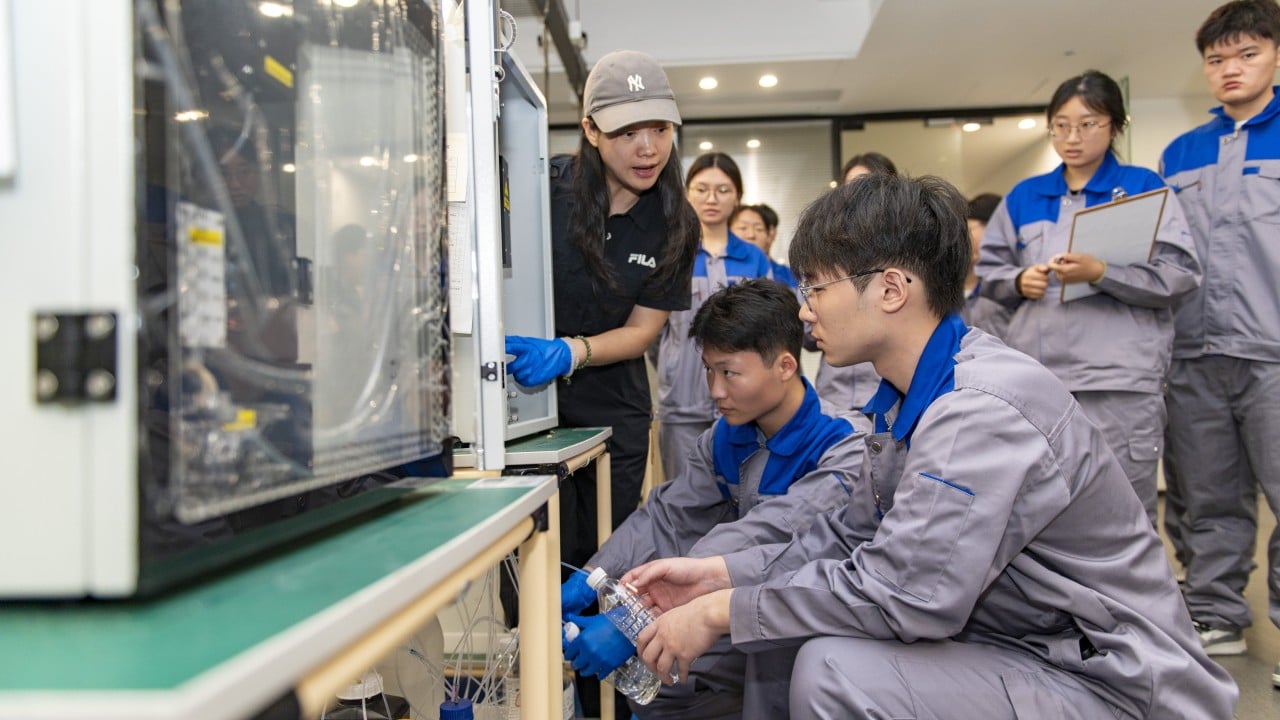
As China's job market becomes increasingly competitive, a growing number of university graduates are seeking alternative paths through vocational training schools. This trend, known as "returning to the furnace," involves degree-holders enrolling in technical programs to gain practical skills that are more likely to lead to employment. While these institutions offer a potential solution for those struggling to find work after graduation, the reality for many students does not always meet the initial promise of job security and career advancement. The vocational schools aim to equip graduates with hands-on abilities, addressing a perceived gap between academic learning and industry demands. However, the effectiveness and long-term outcomes of these programs are varied, leaving some graduates with renewed hope and others facing continued disappointment. The increasing popularity of this approach highlights the significant challenges faced by young people entering China's workforce today. Many are looking for tangible skills to navigate a difficult economic landscape. The success of these technical programs is crucial for a segment of the graduating population seeking practical career solutions.
The surge in university graduates seeking vocational training reflects a significant disconnect between the traditional academic system and the evolving demands of China's labor market. This phenomenon, termed "returning to the furnace," suggests a pragmatic response to economic pressures, prioritizing immediate employability over prolonged academic pursuits. The effectiveness of these vocational programs will be a critical factor in determining their long-term viability and impact on youth unemployment. Policymakers and educational institutions face the challenge of ensuring these technical schools provide genuinely valuable, future-proof skills that align with industry needs, rather than merely offering a temporary holding pattern. The trend also signals a potential re-evaluation of the perceived value of university degrees versus specialized vocational qualifications in the coming decade.
AI-generated to prompt reflection — not editorial opinion, not advice, not a statement of fact. How this works.