China's Widespread Adoption of Artificial Intelligence
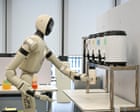
China has fully embraced artificial intelligence (AI) technology, in contrast to some Western skepticism, according to senior China correspondent Amy Hawkins. The nation is integrating AI across various sectors, from healthcare, where millions interact with AI doctors, to manufacturing, which utilizes intelligent robots. AI is also transforming logistics, with drones delivering food, even along historical sites like the Great Wall of China. Furthermore, the Chinese state has actively adopted AI, recognizing its potential to enhance surveillance capabilities. This broad adoption highlights China's commitment to leveraging AI for both economic and societal advancements.
China's rapid integration of artificial intelligence, encompassing sectors from healthcare to state surveillance, presents a distinct model of technological adoption. This approach, driven by state and commercial interests, contrasts with more cautious Western implementations. The dual application of AI for public services and enhanced state monitoring raises questions about data privacy and civil liberties. Future developments will likely hinge on balancing innovation with regulatory frameworks that address ethical concerns and the potential for societal control, particularly as AI capabilities become more sophisticated in the coming decade.
AI-generated to prompt reflection — not editorial opinion, not advice, not a statement of fact. How this works.