China's Xi Jinping Calls for Global AI Cooperation, Contrasting US Dominance
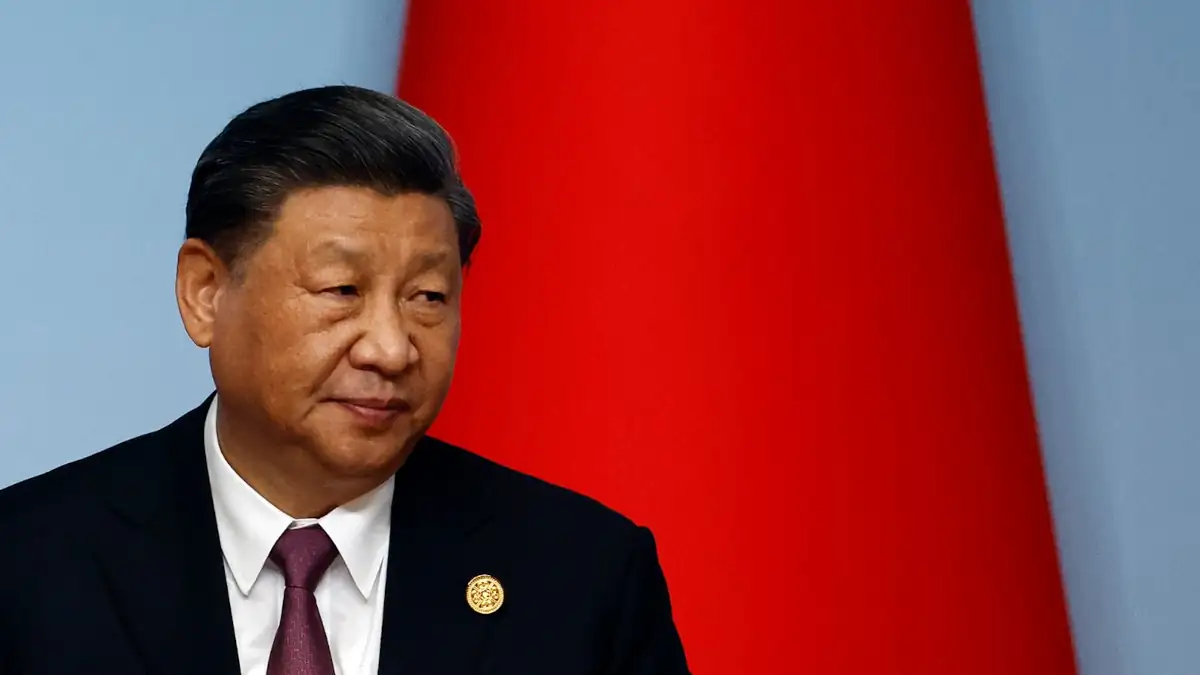
Chinese President Xi Jinping advocated for international collaboration in artificial intelligence development during the opening ceremony of the World AI Conference (WAIC) 2026 in Shanghai on Friday, July 17th. He stated that AI's progress should not be a solo performance by one nation but rather a symphony of global cooperation. This statement comes amidst concerns about potential American hegemony in the field of artificial intelligence. Xi's remarks, as published by the official Xinhua news agency, emphasize a desire for a more inclusive and shared approach to AI advancement. The conference aims to bring together experts and stakeholders to discuss the future of AI and its implications. China has been actively investing in AI research and development, seeking to become a global leader in the technology. The call for a "symphony of international cooperation" suggests a strategic positioning by China to counter perceived dominance by the United States and foster a multipolar landscape in AI innovation. The WAIC serves as a platform for China to articulate its vision for AI governance and development on the world stage.
President Xi Jinping's call for a global AI "symphony" rather than a "solo performance" by any single country frames China's strategic approach to the burgeoning AI sector. This rhetoric aims to counter the perceived hegemonic ambitions of the United States in AI, positioning China as a proponent of multilateralism and shared development. The emphasis on international cooperation can be interpreted as an effort to shape global AI governance frameworks and standards in a way that benefits China's technological and economic interests. By advocating for a collaborative model, China seeks to mitigate risks associated with technological decoupling and foster an environment where its own AI advancements can thrive within a broader international ecosystem. This approach also serves to attract foreign investment and talent, while simultaneously promoting Chinese AI solutions globally. The long-term implication is a geopolitical contest for influence over the future trajectory of AI, with China actively seeking to establish a more balanced international order in this critical technological domain.
AI-generated to prompt reflection — not editorial opinion, not advice, not a statement of fact. How this works.