China's Youth Embrace 'Ghost Cities' Amidst Real Estate Crisis
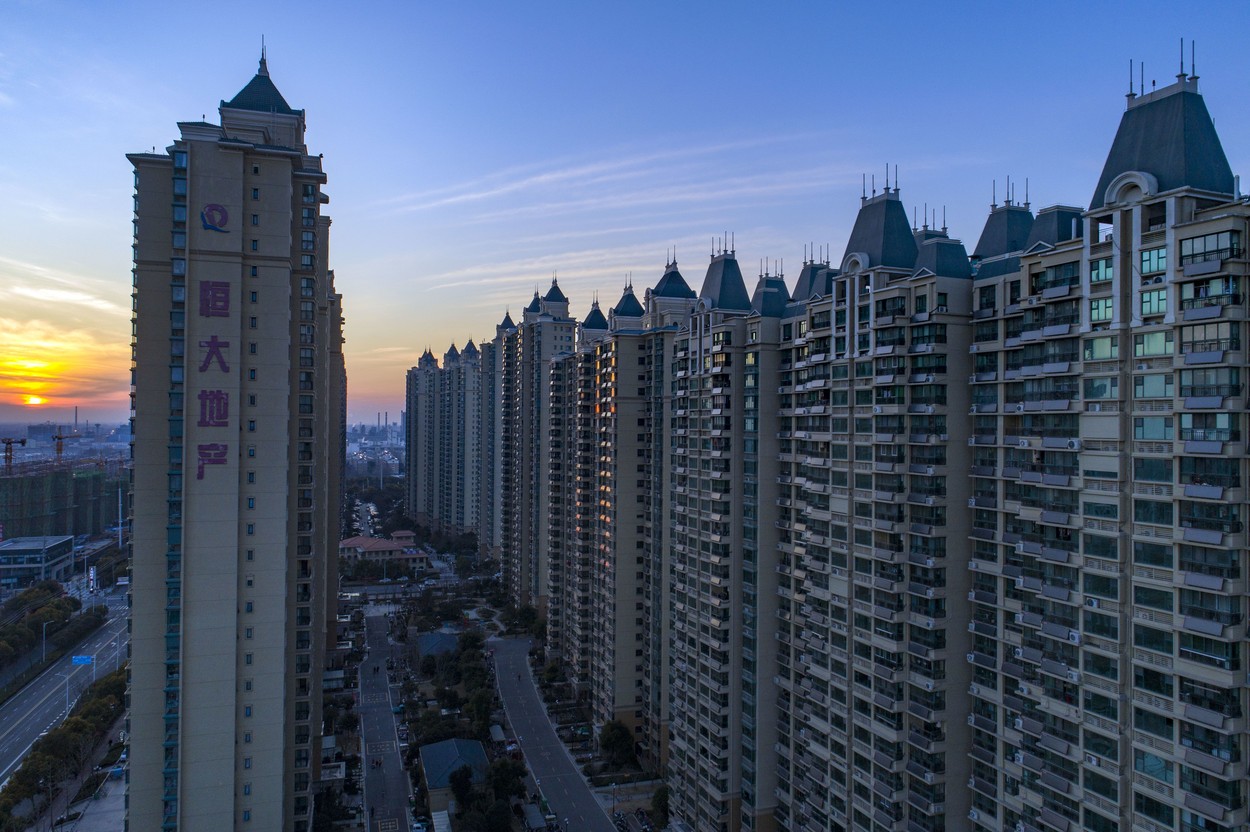
A growing number of young people in China are finding an unconventional advantage in the fallout of the country's real estate crisis. This phenomenon, which they term 'living in a deserted city,' involves moving into half-empty skyscrapers in cities like Huizhou. The crisis stems from a massive construction boom between 2000 and 2020, the largest in history, which has left many new developments underutilized. For these young individuals, the primary benefit of these partially vacant urban landscapes is not the impressive views, but the significantly lower rental costs. Unlike the densely populated major cities, these 'ghost cities' offer a respite from overcrowding, providing a more affordable and less congested living environment.
The trend of young Chinese citizens opting for underpopulated urban developments highlights a significant shift in housing preferences driven by economic realities. The oversupply of housing resulting from a historical real estate boom has created a market inefficiency, where previously undesirable 'ghost cities' now offer a cost-effective alternative to expensive, crowded metropolises. This situation reflects a broader societal re-evaluation of traditional markers of success, such as living in prime urban centers, in favor of financial prudence and a less stressful lifestyle. Future urban planning and economic policies may need to adapt to these emergent demographic choices, potentially re-purposing underutilized infrastructure or incentivizing development in areas that align with evolving lifestyle demands.
AI-generated to prompt reflection — not editorial opinion, not advice, not a statement of fact. How this works.