China Seeks Global AI Leadership, Forms Coalition with 29 Nations
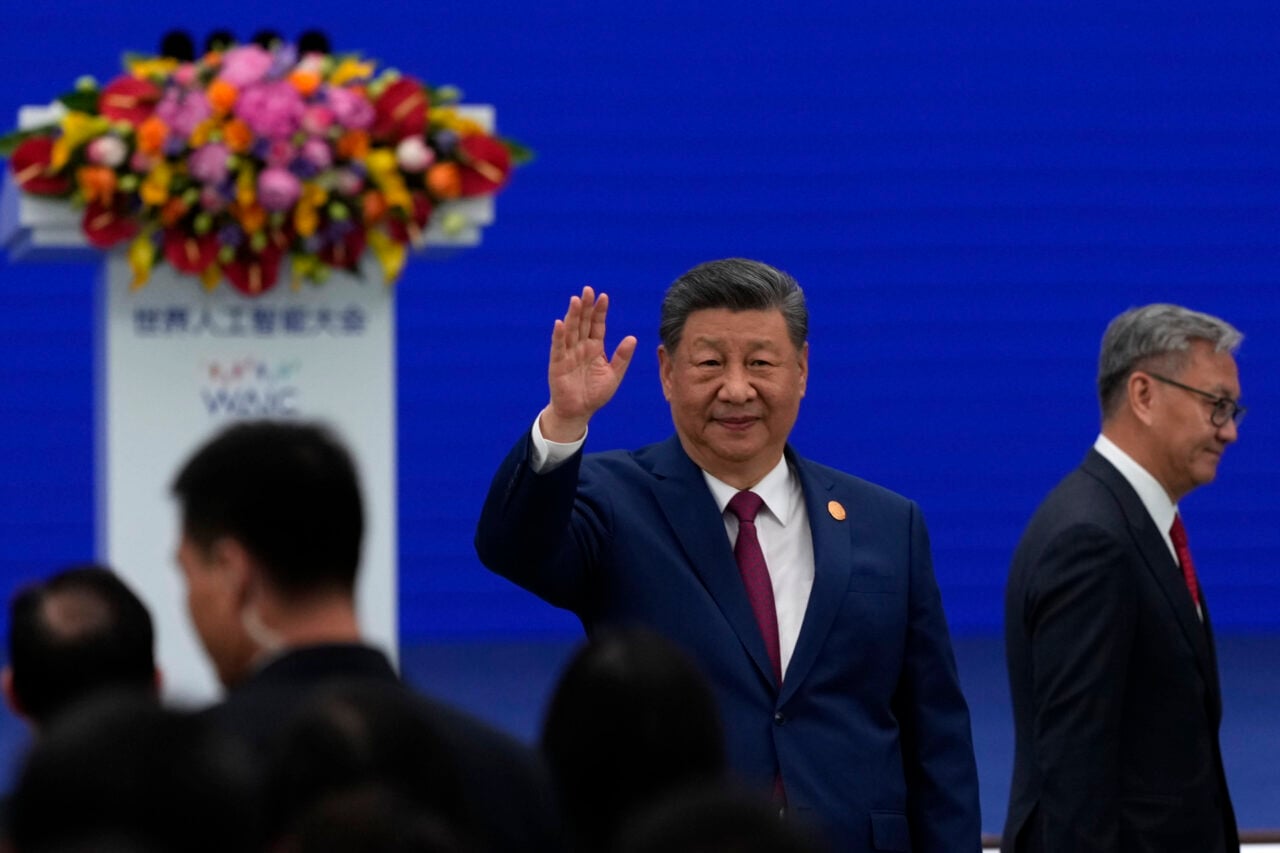
Chinese President Xi Jinping is advocating for open access to artificial intelligence (AI) technologies globally, while simultaneously aiming to reduce American dominance in the field. Beijing is actively constructing an AI coalition that currently includes 29 countries. Notably, Russia is part of this burgeoning alliance. This initiative signals China's ambition to play a leading role in the development and governance of future AI systems. The move suggests a strategic effort to foster international cooperation on AI, potentially creating alternative frameworks to those led by Western nations. The inclusion of countries like Russia indicates a broader geopolitical dimension to China's AI strategy. This coalition could influence global AI standards, research directions, and ethical guidelines in the coming years. The emphasis on 'openness' may be framed as a move towards democratization of AI, while the underlying objective appears to be challenging existing power structures in AI development and deployment.
China's push for a global AI coalition, including nations like Russia, presents a multifaceted geopolitical and technological strategy. By advocating for "openness" while seeking to counter American influence, Beijing is attempting to shape the future AI landscape by establishing alternative governance and development frameworks. This initiative highlights the increasing strategic importance of AI as a driver of economic and military power. The coalition's formation could lead to divergent AI ecosystems and standards, potentially creating new arenas for international competition and cooperation. Examining the incentive structures for participating nations will be crucial in understanding the long-term viability and impact of this alliance on global AI development and its implications for technological sovereignty in the coming decade.
AI-generated to prompt reflection — not editorial opinion, not advice, not a statement of fact. How this works.