China Shifts Focus to STEM Education and Innovation
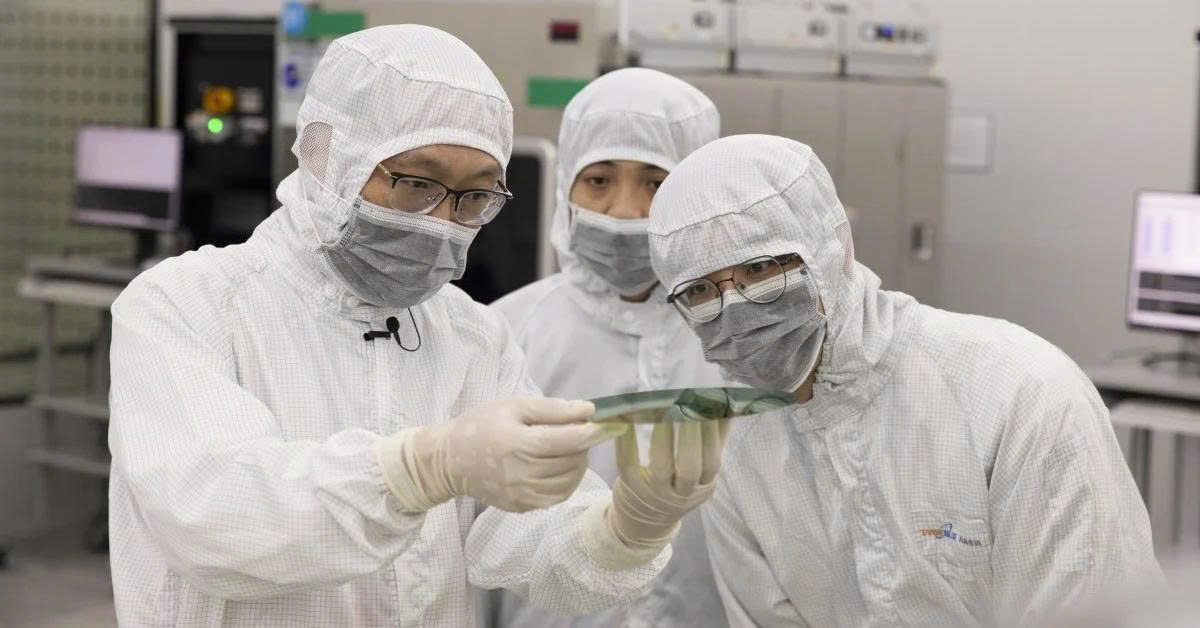
China has seen a significant shift in its higher education landscape, with over 40% of university graduates now entering STEM (Science, Technology, Engineering, and Mathematics) fields. This strategic redirection is driven by a national policy aimed at addressing critical bottlenecks in technological development. The government's approach involves identifying areas where the nation faces shortages in expertise and then channeling talent to those specific sectors. To foster innovation and entrepreneurship, China is providing substantial incentives for STEM professionals. These include allocating land for startups and offering tax exemptions for engineers looking to commercialize their research. This policy framework is designed to accelerate technological self-reliance and drive economic growth by prioritizing fields deemed essential for future development.
China's deliberate pivot towards STEM education and innovation reflects a strategic imperative to secure technological leadership and economic competitiveness in the coming decade. By prioritizing fields critical to national development and offering robust incentives for graduates and entrepreneurs, the government aims to overcome existing technological dependencies. This approach, while potentially fostering rapid advancements, also raises questions about the long-term balance of the workforce and the potential for over-specialization. The success of this strategy will depend on its ability to foster genuine innovation beyond state-directed goals and adapt to the evolving global technological landscape, ensuring a diversified and resilient talent pool for future challenges.
AI-generated to prompt reflection — not editorial opinion, not advice, not a statement of fact. How this works.