China Slams US Tariffs, Pledges Support for Brazil Against 'External Interference'
China has strongly opposed new U.S. tariffs on its goods, labeling them "unjustified" and urging Washington to reverse the measures. The U.S. imposed tariffs of 10% and 12.5% on products from 60 trading partners, including China, the EU, and Brazil, citing a failure to restrict imports linked to forced labor. Beijing refuted these claims, criticizing the U.S. labor record and accusing Washington of unilateralism and protectionism. China stated it has a comprehensive labor law system and highlighted that the U.S. has not ratified the 1930 Forced Labor Convention.
Beyond tariffs, China also condemned potential U.S. investigations into its artificial intelligence sector, denouncing it as "AI hegemony" and a tactic to stifle technological advancement. Beijing vowed to take necessary measures to protect its companies' interests. This escalation adds to existing trade tensions between the world's two largest economies, spanning areas like semiconductors and AI.
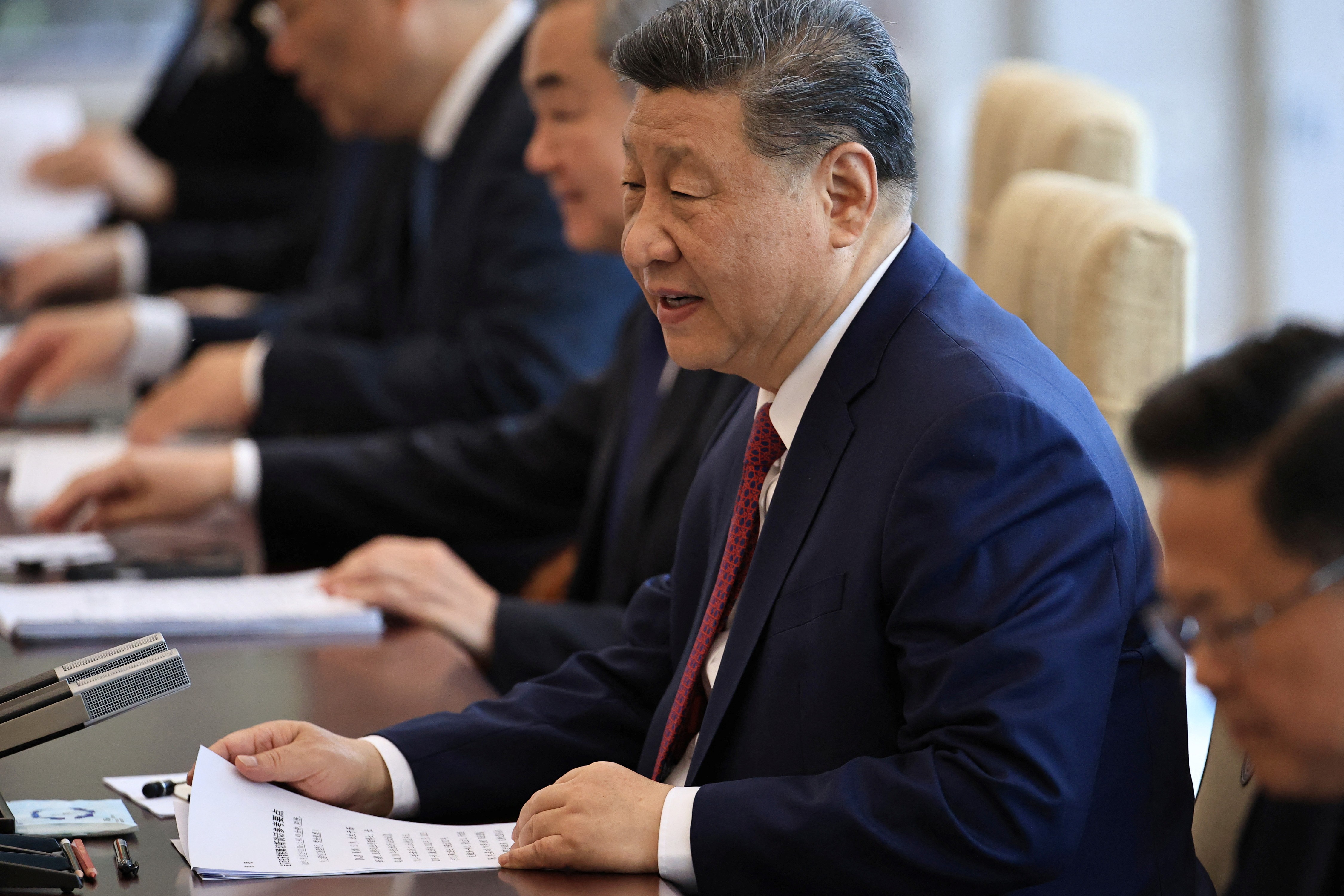
Concurrently, China signaled strategic alignment with Brazil. President Xi Jinping spoke with President Lula da Silva, emphasizing Brazil's international standing and pledging political support for its sovereignty, independence, and opposition to external interference. Both leaders agreed on the urgency of accelerating Mercosur-China trade agreement negotiations to diversify markets and mitigate the impact of U.S. protectionism.
The U.S. imposition of tariffs and potential investigations into China's AI sector, framed by Washington as responses to forced labor and unfair trade practices, are met with strong Chinese opposition. Beijing counters by accusing the U.S. of unilateralism and protectionism, while also highlighting perceived hypocrisy in U.S. labor standards. This dynamic reflects a broader geopolitical competition, where economic tools are leveraged to achieve strategic objectives. China's concurrent pledge of support to Brazil, particularly concerning sovereignty and opposition to external interference, suggests a strategic effort to build alliances and counter U.S. influence. The emphasis on accelerating the Mercosur-China trade agreement indicates a move towards economic diversification and de-risking for nations seeking alternatives to U.S.-centric trade frameworks, a trend likely to intensify as technological and economic rivalries evolve over the next decade.
AI-generated to prompt reflection — not editorial opinion, not advice, not a statement of fact. How this works.