China Successfully Lands Reusable Rocket for the First Time
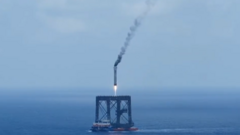
China has achieved a significant milestone in its space program by successfully landing a reusable rocket for the first time, according to state media reports. This achievement marks a crucial step for the nation in developing its capabilities in space exploration and potentially reducing the cost of future missions.
The successful landing follows similar technological advancements made by private American companies. Both SpaceX and Blue Origin, prominent players in the private space industry, have previously demonstrated successful landings of their reusable rocket technology. This parallel development highlights a growing global trend towards reusable rocket systems, which are seen as key to making space access more economical and sustainable.
China's successful first landing of a reusable rocket, mirroring advancements by SpaceX and Blue Origin, signals a strategic push towards greater autonomy and cost-efficiency in space operations. This development is likely driven by a desire to compete in the burgeoning commercial space sector and to support national ambitions in space exploration and defense. The focus on reusability suggests an alignment with global trends aimed at reducing launch costs, thereby democratizing access to space and enabling more frequent missions. As the technology matures, it could foster new economic opportunities and geopolitical considerations in the evolving space domain.
AI-generated to prompt reflection — not editorial opinion, not advice, not a statement of fact. How this works.