China Successfully Recovers First Reusable Rocket, Mimicking SpaceX Approach
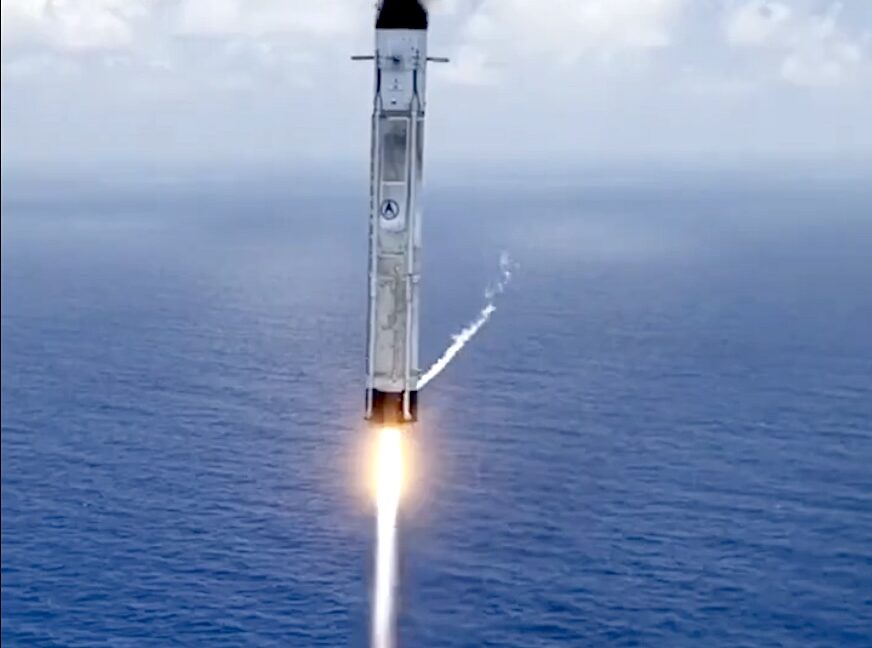
China has achieved a significant milestone in its space program by successfully recovering its first reusable rocket. This achievement marks a new capability for the nation's space exploration efforts. The recovery method employed appears to be inspired by the work of SpaceX, a leading private aerospace manufacturer. This suggests a strategic effort by China to adopt and adapt advanced space technologies. The successful recovery demonstrates progress in developing reusable rocket technology, which is crucial for reducing the cost of space access. This capability is essential for future missions, including lunar and Martian exploration. The move also highlights the increasing competition and technological convergence within the global space industry. China's advancement in this area could lead to more frequent and ambitious space missions in the coming years.
China's successful recovery of a reusable rocket, mirroring SpaceX's technological trajectory, signifies a strategic alignment with global advancements in spaceflight economics. This development underscores the increasing international emphasis on cost-efficiency and sustainability in space exploration, driven by the potential for reduced launch costs and expanded mission capabilities. The adoption of such technologies reflects a broader trend of nations seeking to enhance their autonomous space capabilities. This pursuit of reusable rocket technology is likely to accelerate innovation and competition, potentially leading to a more dynamic and accessible space environment in the next decade. The long-term implications involve shifts in global space power dynamics and the potential for new commercial opportunities.
AI-generated to prompt reflection — not editorial opinion, not advice, not a statement of fact. How this works.