China to Tax Lithium and Solar Batteries, Exempting Sodium-Ion
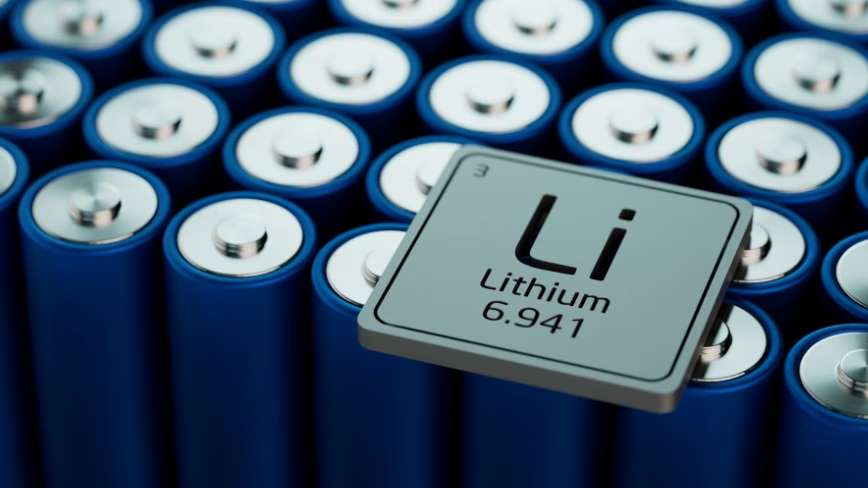
China is set to implement a consumption tax on lithium-ion and solar batteries, marking the first such levy in ten years. This policy change signifies a strategic shift by Beijing to address overcapacity and intense price competition within industries that were previously heavily subsidized to achieve global leadership. Starting in September, a 2% tax will be applied to lithium-ion batteries, with plans to increase it to 4% subsequently. The move aims to curb destructive price wars and encourage more sustainable development in these crucial sectors. Notably, sodium-ion batteries will remain exempt from this new tax. This exemption suggests a strategic encouragement of the emerging sodium-ion battery technology, potentially positioning it as a future alternative or complement to lithium-ion in China's energy landscape. The government's intention is to foster a more balanced and competitive market, moving away from a model reliant solely on subsidies and rapid expansion.
This policy adjustment by China reflects a maturing industrial strategy, transitioning from pure growth-driven subsidy models to market-oriented regulation. By introducing consumption taxes on established technologies like lithium-ion and solar batteries, Beijing aims to manage the economic fallout of overcapacity and price wars, potentially stabilizing domestic markets and improving profitability for key players. The exemption for sodium-ion batteries signals a forward-looking approach, incentivizing the development and adoption of alternative energy storage solutions that may offer greater sustainability or cost advantages in the long term. This dual approach—taxing mature industries while nurturing nascent ones—demonstrates a sophisticated effort to guide industrial evolution and maintain global competitiveness, while also managing potential domestic economic imbalances.
AI-generated to prompt reflection — not editorial opinion, not advice, not a statement of fact. How this works.