China Warns of Retaliation Over New US Visa Restrictions
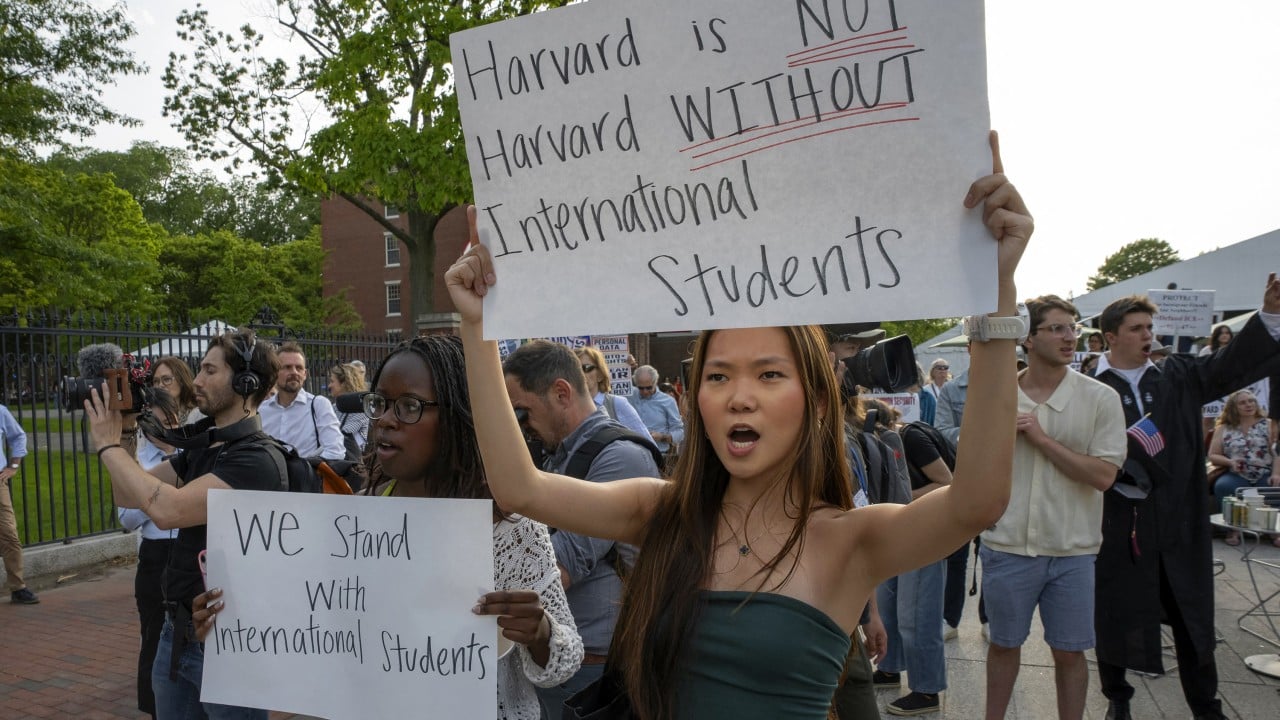
China has expressed strong disapproval of new United States visa regulations that specifically target students and journalists, among other groups. A spokesperson for China's Ministry of Foreign Affairs stated on Friday that the measures are "discriminatory" and warned that Beijing reserves the right to implement reciprocal countermeasures. The announcement was made by the Department of Homeland Security on Thursday as part of the White House's broader efforts to tighten immigration policies, affecting both legal and illegal entries. These new regulations have already sparked concern among Chinese students currently studying in the U.S. and those who intend to pursue their education there. The Chinese government views these actions as a political move that could negatively impact academic and journalistic exchanges between the two countries. Beijing is reportedly evaluating the full impact of the U.S. policy before deciding on the specific nature of its response. The situation highlights ongoing tensions in U.S.-China relations, particularly concerning travel and exchange policies.
The U.S. Department of Homeland Security's updated visa regulations, framed as immigration policy adjustments, have prompted a strong reaction from China, which perceives them as politically motivated and discriminatory. This exchange underscores the complex interplay between national security concerns, immigration control, and international relations. China's threat of reciprocal measures suggests a strategic calculation to leverage its own regulatory powers, potentially impacting U.S. citizens or entities operating within China. The situation warrants examination through the lens of geopolitical competition, where access for students and journalists can serve as instruments of soft power and information exchange. Future policy decisions by both nations will likely be influenced by domestic political pressures and the evolving global landscape, potentially leading to further restrictions on academic and journalistic freedoms if not managed carefully.
AI-generated to prompt reflection — not editorial opinion, not advice, not a statement of fact. How this works.