Chinese actress Tang Wei becomes a mother for the second time at 47
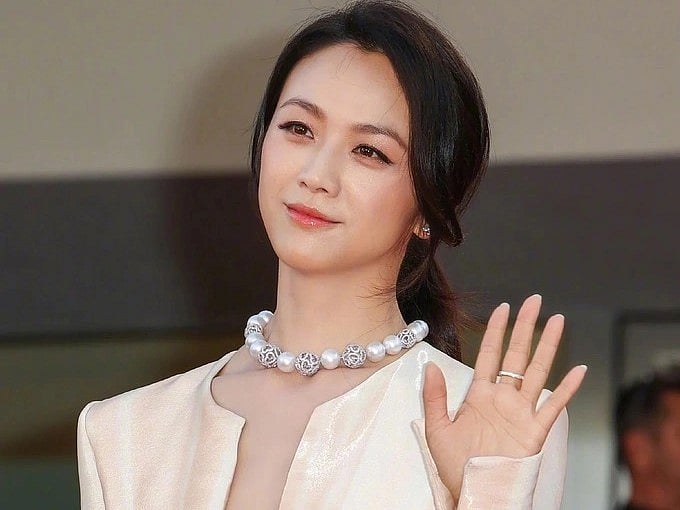
Chinese actress Tang Wei has become a mother for the second time at the age of 47. Her representative confirmed that she gave birth to a son. Tang Wei is married to South Korean film director Kim Tae-yong, and this is their second child together. On Wednesday, Tang Wei shared a photo on her WeChat Moments, a Chinese social media platform, showing the four members of her family holding hands. The image also featured a drawing of a foal by Kim Tae-yong for the newborn. Quoting their first child, Summer, Tang Wei wrote, "Our journey as a family of four begins now." The announcement followed months of speculation about her pregnancy, which intensified in April when she was seen with a baby bump at a luxury brand event in Shanghai. Tang Wei later confirmed her pregnancy on social media with a photo alongside her husband and daughter, Summer, holding toy horses, stating, "We are very happy. A new member is joining our family. Everyone is looking forward to meeting the baby." The couple was last seen traveling together in Hong Kong last month, fueling further online speculation about an imminent birth. Tang Wei, born in 1979, debuted as an actress in 2004. She met Kim Tae-yong during the filming of the 2010 movie 'Late Autumn,' and they married in 2014. Their first daughter, Summer, was born in 2016. Kim Tae-yong is known for directing several films, including 'Late Autumn.'
The event highlights the evolving societal norms around childbirth and career longevity for women in the entertainment industry, particularly in East Asia. While Tang Wei's age at childbirth is notable, the narrative focuses on personal joy and family expansion rather than societal pressures or biological timelines. This reflects a broader trend where individuals, especially those with established careers, may opt for later parenthood. The public sharing of family milestones on social media underscores the intersection of celebrity, personal life, and digital platforms. Looking ahead, as reproductive technologies advance and career paths become more flexible, the age at which individuals choose to start or expand their families is likely to continue shifting, presenting new considerations for family planning and societal support structures.
AI-generated to prompt reflection — not editorial opinion, not advice, not a statement of fact. How this works.