Chinese AI Coding Users Find Domestic LLMs Costly Compared to Codex
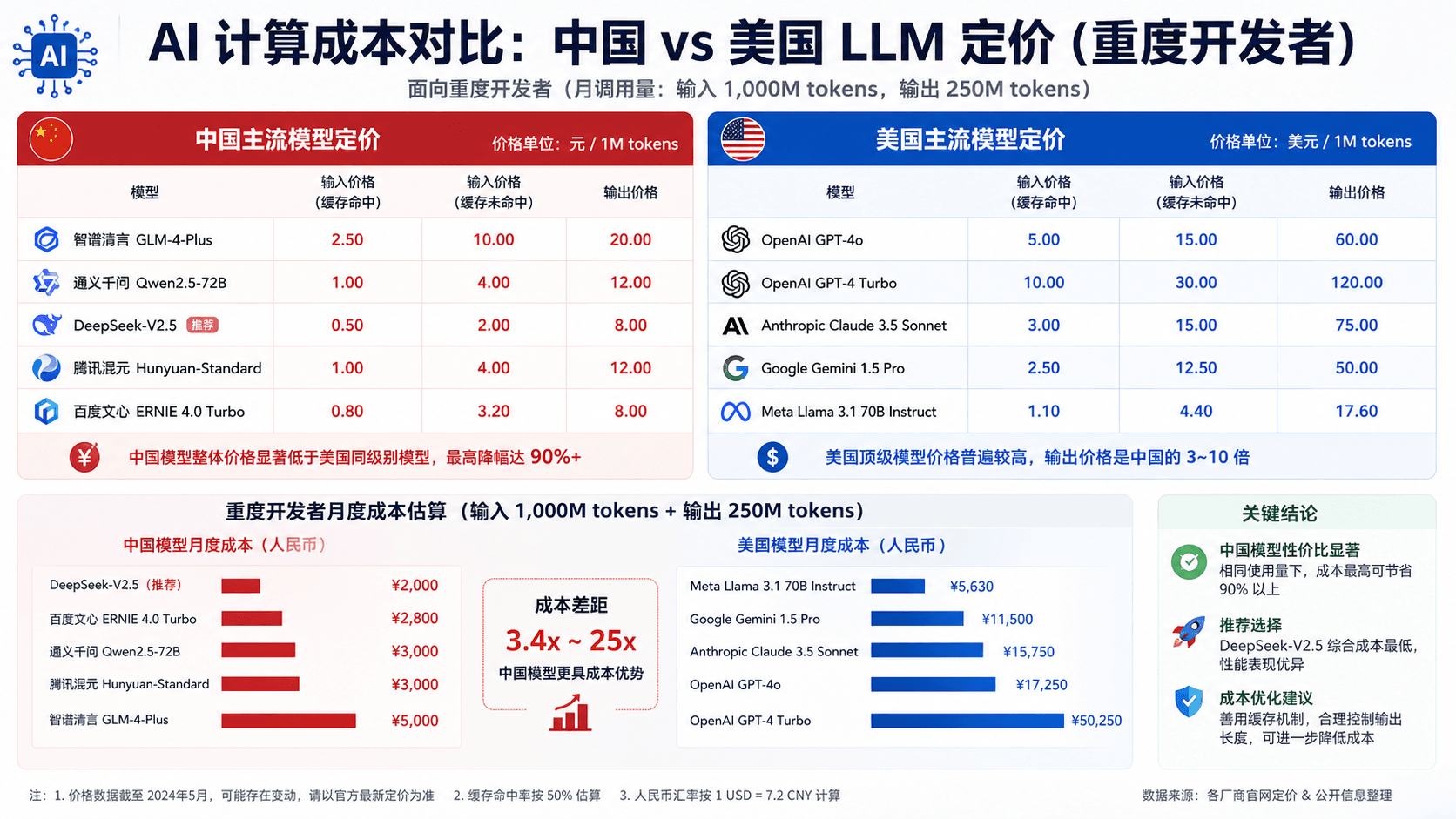
Heavy users of AI for coding in China are encountering significantly higher costs when utilizing domestic large language models (LLMs) compared to models like OpenAI's Codex. While per-token pricing might appear competitive, the actual expenses escalate dramatically due to the nature of real-world development workflows. These workflows can involve processing tens of billions of tokens daily, negating any perceived per-token cost advantage of domestic models. For instance, users report spending approximately 300 yuan per week on Codex. In stark contrast, the daily expenditure on domestic models such as GLM-5.2 can reach as high as 7800 yuan. This substantial difference is often attributed to how subscriptions are bundled rather than a direct per-token fee structure, making the overall cost prohibitive for intensive, daily use in development environments. The economic reality for these users highlights a critical gap in the accessibility and affordability of advanced AI tools for large-scale Chinese development projects.
The economic disparity in AI model accessibility for Chinese developers suggests a potential bottleneck in the nation's AI development ecosystem. While domestic LLMs may be advancing in capability, their current pricing structures, particularly when bundled for extensive use, create significant cost barriers. This contrasts with international models, which, despite potentially higher per-token rates in some scenarios, may offer more predictable or manageable costs for high-volume applications. The situation highlights the complex interplay between technological advancement, market pricing strategies, and the practical demands of large-scale development. Future competitiveness may depend on whether domestic providers can align their cost models with the economic realities faced by their most intensive users, fostering broader adoption and innovation within China's AI sector.
AI-generated to prompt reflection — not editorial opinion, not advice, not a statement of fact. How this works.