Chinese Analyst Warns of Japan's Growing Destructive Potential in South China Sea
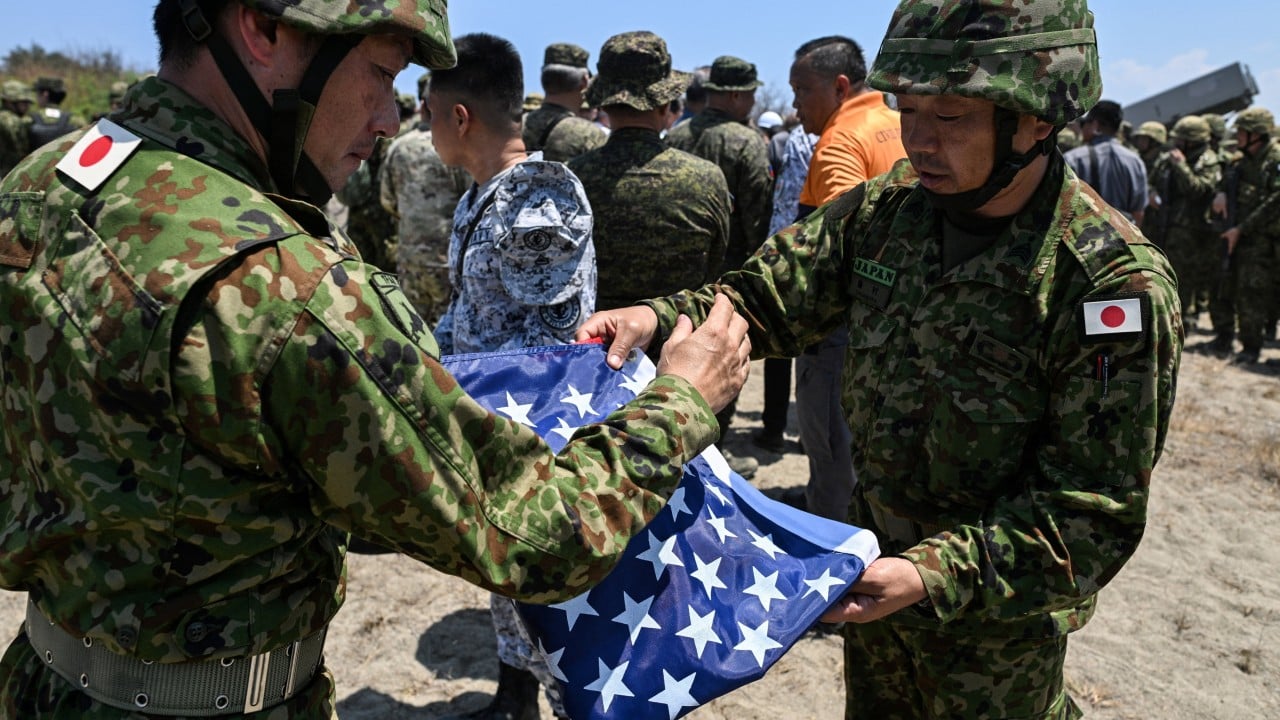
Wu Shicun, a prominent Chinese maritime analyst and founding president of the National Institute for South China Sea Studies, has expressed concern over Japan's expanding military activities in the South China Sea. Speaking at a security roundtable event in Hong Kong on Monday, Wu stated that Japan's "destructive potential" in the region might eventually exceed that of the United States. He observed that "unilateral infringements" within the disputed waters are becoming increasingly normalized. Wu's comments highlight a perceived shift in regional military dynamics and potential challenges to existing security arrangements.
This perspective from a Chinese analyst suggests a strategic re-evaluation of regional power balances, framing Japan's military posture as a potentially significant factor in South China Sea security. The analysis points to an evolving geopolitical landscape where traditional alliances and perceived threats are being recalibrated. Understanding the underlying incentives driving Japan's increased maritime engagement and China's interpretation of this activity is crucial for navigating future regional stability. This viewpoint prompts consideration of how differing national security doctrines and historical contexts influence perceptions of military potential and regional influence in the coming decade.
AI-generated to prompt reflection — not editorial opinion, not advice, not a statement of fact. How this works.