Chinese anthropologist Xiang Biao criticizes system that treats people like machines
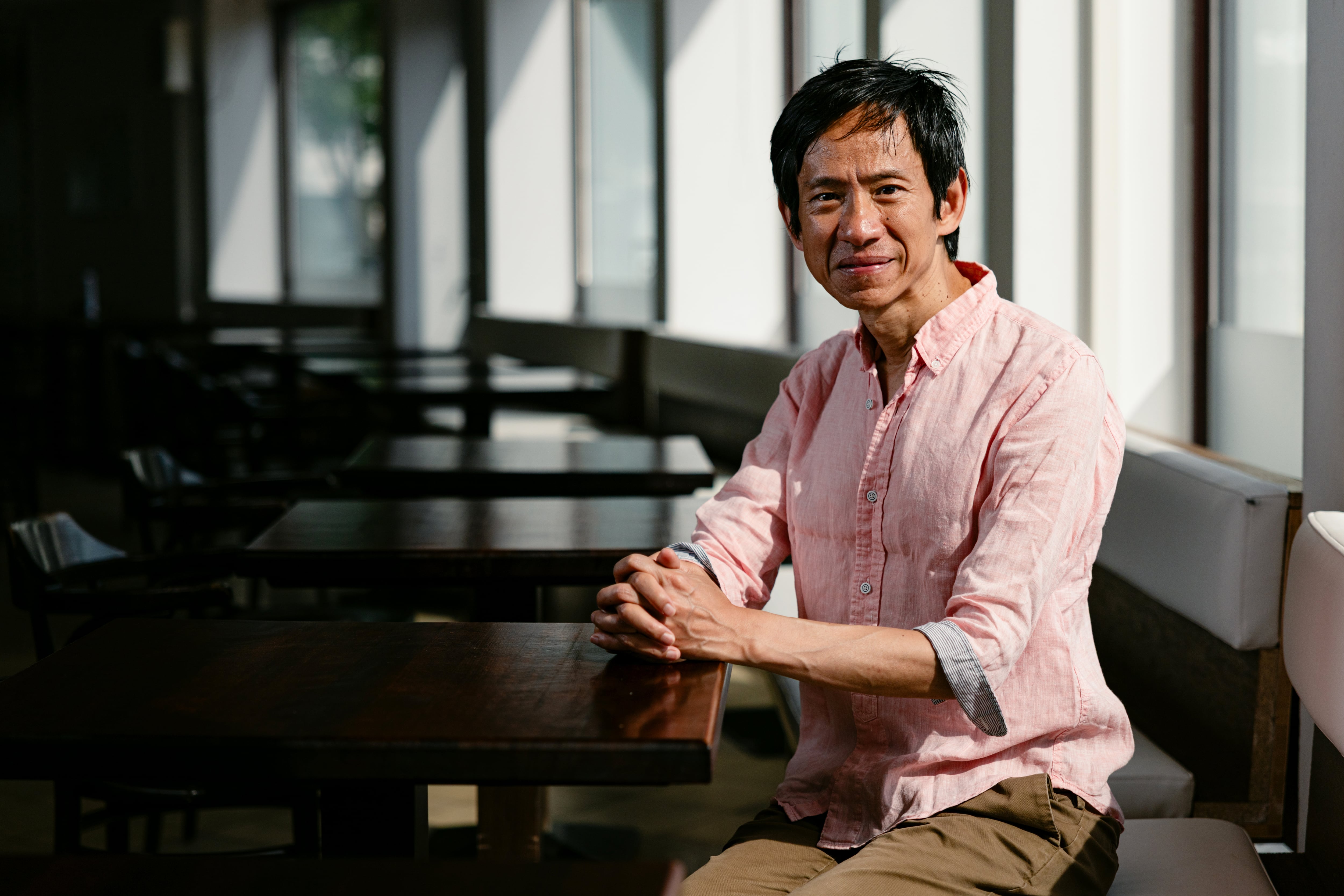
Chinese anthropologist Xiang Biao is urging China's younger generations to reflect on their lives and the societal structures they inhabit. He argues that the current system compels individuals to view and treat each other as mere machines, rather than recognizing their inherent artistic and creative potential. Biao suggests that the ideal life involves being a poet, singing, and embracing artistry, but this is suppressed by prevailing societal norms. He draws a parallel between the lack of prospects experienced by young people in China and those in Europe, indicating a shared challenge across different global contexts. This perspective encourages a critical examination of economic and social priorities, particularly concerning the well-being and fulfillment of youth.
Anthropologist Xiang Biao's critique highlights a potential systemic tension between economic productivity and humanistic fulfillment. The observation that individuals are treated as machines suggests a focus on output and efficiency over intrinsic value and creativity. This dynamic may stem from globalized economic pressures and educational systems geared towards market demands, potentially leading to widespread dissatisfaction and a sense of alienation among younger populations. The comparison to European youth indicates that this is not solely a Chinese phenomenon but a broader societal challenge in industrialized and rapidly developing nations. Future considerations should explore how educational and economic models can be rebalanced to foster both innovation and individual well-being, ensuring that technological advancement serves humanistic goals rather than diminishing them.
AI-generated to prompt reflection — not editorial opinion, not advice, not a statement of fact. How this works.