Chinese Brand Geely Bets on New Non-Electric SUV at Competitive Price
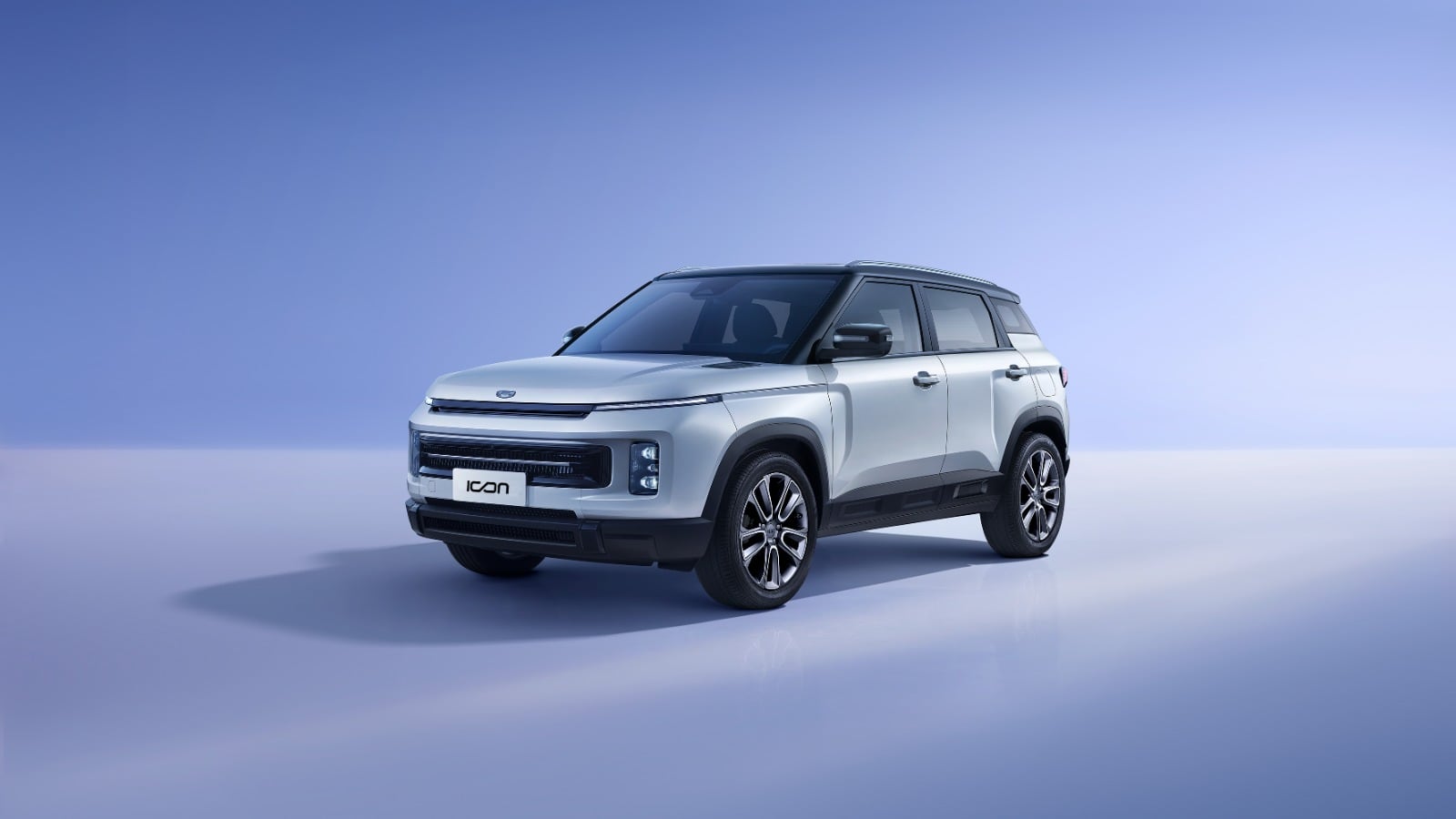
Geely, a Chinese automotive manufacturer, has introduced a new gasoline-powered SUV, diverging from the trend of electrification prevalent among many of its domestic competitors. This move comes after the company had previously launched an electric SUV model. The new gasoline SUV is positioned to be competitively priced, aiming to capture a segment of the market that may not yet be fully embracing electric vehicles. While other Chinese automakers are focusing heavily on electric and hybrid powertrains, Geely's strategy with this new offering suggests a multi-pronged approach to cater to diverse consumer preferences and market demands. The company's decision to introduce a non-electrified option indicates a recognition of the varying stages of EV adoption across different regions and consumer groups. This strategy could allow Geely to maintain market share and appeal to buyers who are either hesitant about or unable to transition to electric vehicles at this time. The competitive pricing is expected to be a key factor in the SUV's market reception.
Geely's introduction of a gasoline SUV alongside its electric offerings reflects a pragmatic approach to the evolving automotive market. While the global trend favors electrification, the company appears to be hedging its bets by catering to segments of the market where EV infrastructure or consumer readiness may lag. This strategy acknowledges that the transition to electric vehicles will likely be uneven across different geographies and demographics. By offering a competitively priced gasoline option, Geely can maintain sales volume and market presence, potentially funding further investment in its electric vehicle development. This dual-pronged strategy highlights the complex interplay between technological advancement, market demand, and economic realities in the automotive industry's current transformation. The long-term success will depend on balancing these diverse market needs with the accelerating imperative towards sustainable transportation.
AI-generated to prompt reflection — not editorial opinion, not advice, not a statement of fact. How this works.
