Chinese Businessman Arrested for Drunk Driving Fatally Striking Sanitation Worker in São Paulo
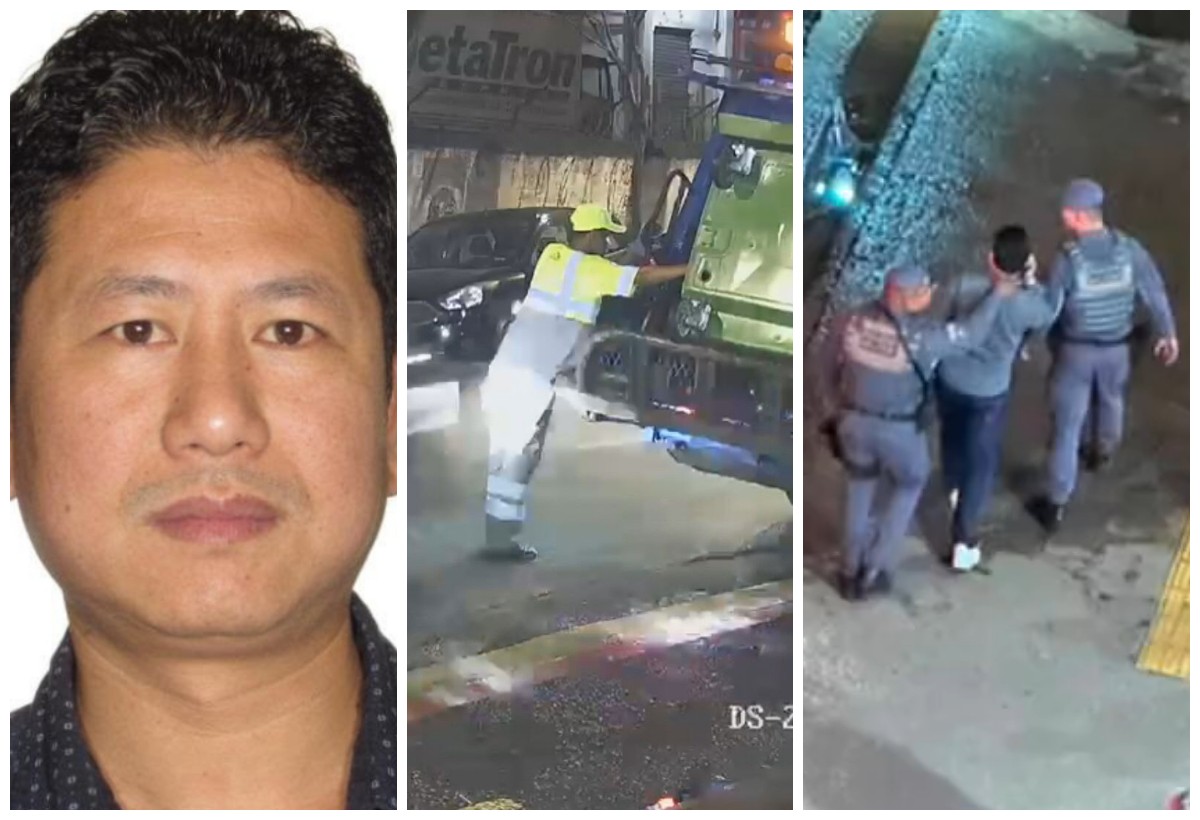
A 19-year-old sanitation worker, Diego Rafael da Silva, was fatally struck by a car in the Barra Funda neighborhood of São Paulo on Sunday, November 26th. The driver, identified as 53-year-old Chinese businessman Guofang Huang, exhibited clear signs of intoxication and had difficulty standing when approached by police. The breathalyzer test revealed an alcohol concentration of 0.73 mg/L, more than double the legal limit of 0.34 mg/L that constitutes a traffic crime. Huang initially left the scene but returned minutes later after being pursued by a motorcyclist. He was reportedly assisted out of his vehicle by fellow sanitation workers and taken to a nearby building to avoid public anger. The victim, Diego Rafael da Silva, was collecting containers at the rear of a parked and signaled sanitation truck when he was hit. He received initial aid from a passing doctor and later from emergency services but succumbed to his injuries. The São Paulo Justice system converted Huang's arrest into preventive detention during a custody hearing on Monday, November 27th, meaning he will remain in custody during the investigation. The Civil Police are investigating the incident as a homicide with intent, and the case is being handled by the 23rd District Police. The City of São Paulo expressed solidarity with the victim's family and colleagues.
This tragic incident highlights the severe consequences of impaired driving, particularly when combined with a disregard for public safety and emergency response protocols. The driver's high blood alcohol content and impaired physical state at the scene underscore the immediate danger posed. The subsequent conversion to preventive detention reflects the legal system's response to the gravity of the offense and the potential flight risk or further danger the individual might present. Future considerations for urban sanitation services might include enhanced safety protocols for workers, especially during nighttime operations, and stricter enforcement of drunk driving laws, potentially incorporating advanced detection technologies at checkpoints. The event also brings to light the vulnerability of essential service workers and the societal imperative to protect them while they perform their duties.
AI-generated to prompt reflection — not editorial opinion, not advice, not a statement of fact. How this works.