Chinese Diapers Under Scrutiny for 'Harmful Substances'; Japanese Products Re-evaluated
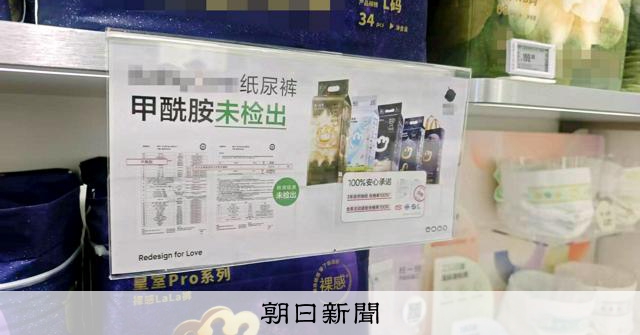
Reports have emerged alleging the presence of "harmful substances" in Chinese-made diapers. This news has prompted a re-evaluation of Japanese diaper products, which were previously popular among Chinese consumers during the "explosive buying" (baku-gai) phenomenon. The initial reports have raised concerns about product safety standards in the Chinese market. As a result, consumers and regulators are reportedly looking more closely at the ingredients and manufacturing processes of diapers. The situation may lead to increased demand for imported diapers, particularly those from Japan, as consumers seek assurances of quality and safety. This development could impact both domestic Chinese manufacturers and international brands operating in the diaper market. Further investigations are expected to clarify the extent of the issue and identify specific products or substances of concern. The re-evaluation of Japanese products suggests a potential shift in consumer trust and purchasing preferences.
Reports of harmful substances in Chinese diapers highlight the critical importance of robust product safety regulations and independent testing within consumer goods markets. This situation may reflect challenges in supply chain oversight and quality control for manufacturers operating under intense market competition. Consumers' potential shift towards previously popular foreign brands underscores the enduring value placed on perceived quality and safety, especially for products intended for infants. Future market dynamics could be influenced by increased regulatory scrutiny, greater transparency from manufacturers, and evolving consumer confidence, potentially creating opportunities for brands that can demonstrably meet stringent safety and quality benchmarks.
AI-generated to prompt reflection — not editorial opinion, not advice, not a statement of fact. How this works.