Chinese Electric Vehicle Locks Functions After Crossing Border
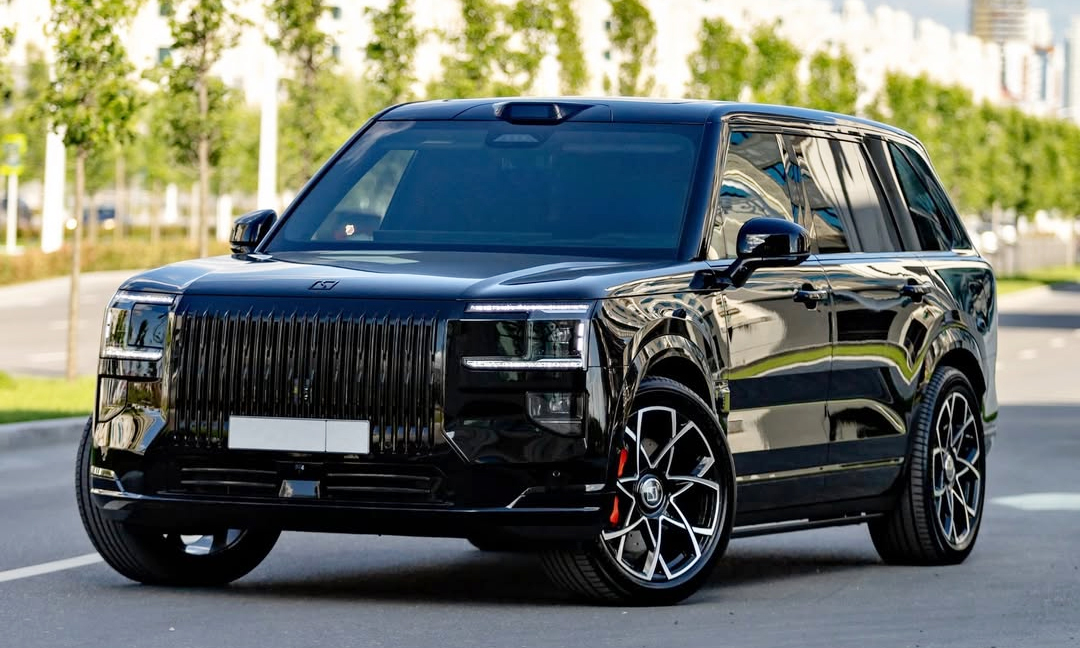
A cross-continental trip was abruptly halted when the security system on a Zeekr 9X electric vehicle mistakenly identified the car's exit from China as an act of smuggling. The vehicle's owner, who was undertaking a journey across continents, experienced this unexpected interruption. The advanced security features of the Zeekr 9X, designed to prevent illicit activities, triggered an alert. This incident highlights a potential issue with how sophisticated vehicle security systems interpret international border crossings. The driver's planned expedition was significantly disrupted due to this technological misinterpretation. The specific details of the security system's malfunction and the exact border crossing point were not provided. However, the event underscores the challenges of implementing global security protocols in interconnected transportation systems. The owner's journey, intended to be a continuous drive, was brought to a standstill by the car's internal safety mechanisms.
This incident involving the Zeekr 9X's security system raises questions about the scalability and adaptability of automotive cybersecurity protocols across international borders. As vehicles become more connected and reliant on sophisticated software, the potential for misinterpretation of legitimate actions as security threats increases, particularly at points of transit. Manufacturers must consider the diverse regulatory environments and operational contexts their vehicles will encounter globally. Future development should prioritize robust, context-aware security frameworks that can differentiate between genuine illicit activity and routine cross-border operations, ensuring user autonomy and preventing unintended disruptions to travel.
AI-generated to prompt reflection — not editorial opinion, not advice, not a statement of fact. How this works.