Chinese EVs and Automakers Reshape Brazil's Automotive Industry
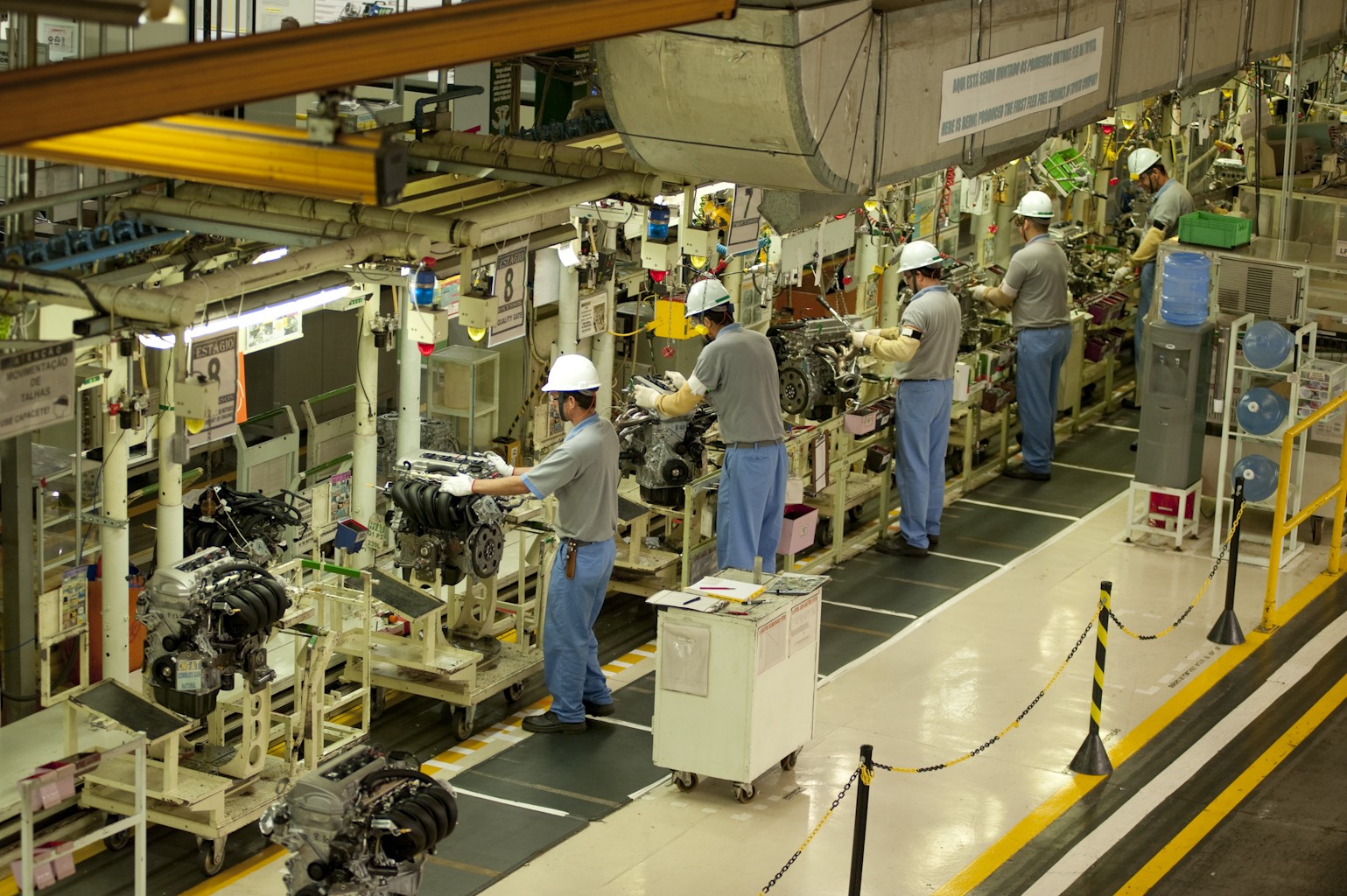
Brazil's automotive industry is undergoing a significant transformation, marked by the rise of electric vehicles (EVs) and the increasing presence of Chinese automakers. This shift involves traditional manufacturers ceasing operations, with their former factories often being acquired by companies focused on electrification. For instance, GWM has taken over a former Mercedes-Benz plant in Iracemápolis, São Paulo, while BYD and MG Motor have established operations in former Ford facilities in Bahia and Ceará, respectively. This trend, accelerated post-pandemic, signifies a change in the industrial profile rather than a loss of car factories. Electrified vehicles, encompassing both hybrid and fully electric models, are becoming central to the market. While national vehicle production saw an increase from 2.36 million in 2022 to 2.64 million in 2025, the growth in electrified vehicle sales is particularly striking. Sales surged from just over a thousand units in 2016 to over 215,000 in the first half of 2026. Chinese brands like BYD and GWM now dominate the electrified vehicle market, surpassing traditional players like Toyota, which has fallen to third place. Experts attribute this transformation to advancements in technology, including software and semiconductors, and the Chinese industry's ability to produce at scale and reduce costs. The Brazilian government has temporarily reinstated import quotas for EVs and hybrids, aligning with fleet renewal and decarbonization goals, though this move has drawn criticism from some domestic manufacturers concerned about increased Asian imports and the prevalence of semi-knocked-down (SKD) and completely knocked-down (CKD) assembly methods, which require less labor than full-scale manufacturing.
The Brazilian automotive sector's transition highlights a global trend of technological disruption and shifting geopolitical influence in manufacturing. The rise of Chinese automakers, leveraging advanced EV technology and economies of scale, presents both an opportunity for market modernization and a challenge to established domestic industries and their labor models. The debate over import quotas and assembly methods reflects a tension between fostering innovation and decarbonization, and protecting national industrial capacity and employment. Future competitiveness will likely depend on Brazil's ability to attract full-scale manufacturing investments, develop local technological expertise, and navigate evolving international trade dynamics, particularly concerning Asian market penetration.
AI-generated to prompt reflection — not editorial opinion, not advice, not a statement of fact. How this works.