Chinese Group Hui Neng Eyes Potash Deposits in Gabon's Banio Region
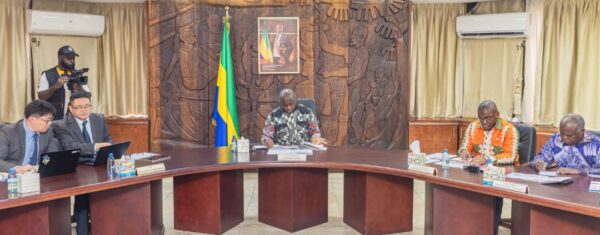
Chinese group Hui Neng has declared its interest in exploiting the potash deposits located in Banio, within Gabon's Nyanga province. The company's representatives met with Vice-President Hermann Immongault in Libreville on July 17th to convey their intentions. Hui Neng is a holding company with existing operations in Laos and Sierra Leone. This move signifies the group's expansionist ambitions within the mining sector, specifically targeting valuable mineral resources. The Banio region is recognized for its significant potash reserves, making it an attractive prospect for international mining firms. Hui Neng's established presence in other African nations suggests a strategic approach to resource acquisition and development. The company's engagement with the Gabonese government underscores the importance of securing official approval and partnerships for such large-scale resource projects. Further details regarding the scope and timeline of their proposed operations are anticipated.
The expressed interest by Chinese group Hui Neng in Gabon's Banio potash deposits highlights a pattern of global resource acquisition by Chinese entities. Such ventures are often driven by China's significant domestic demand for industrial minerals and fertilizers. From a systemic perspective, this aligns with broader geopolitical strategies aimed at securing supply chains for critical raw materials. For Gabon, the potential development of these resources could offer substantial economic benefits, including job creation and government revenue, but also raises questions about equitable benefit sharing, environmental stewardship, and long-term economic diversification away from resource dependence. The company's existing international footprint suggests a capacity for project execution, yet the sustainability and local impact of such operations will be key factors to monitor over the next decade, especially in the context of evolving global commodity markets and increasing scrutiny of resource extraction practices.
AI-generated to prompt reflection — not editorial opinion, not advice, not a statement of fact. How this works.