Chinese Official Develops AI App for Flood Evacuation After Deadly Rains
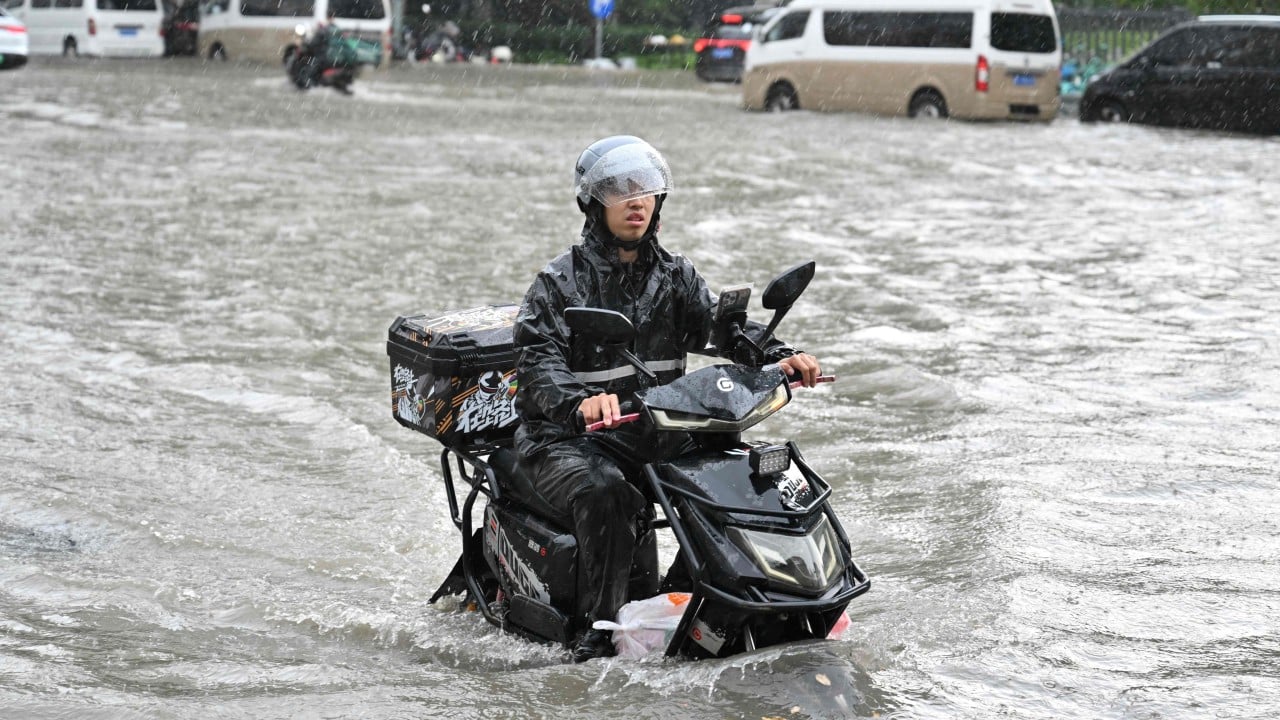
Following a summer of deadly floods in China, a local official has implemented an artificial intelligence-powered application to streamline the evacuation process. Previously, officials like Xie Yunshi, working in the suburbs of Beijing, relied on manually calling each family to ensure their safety during flood warnings. This labor-intensive method often required organizing a dozen staff members to make calls, sometimes as late as midnight. To address this inefficiency, Xie Yunshi utilized AI technology, reportedly at a minimal cost equivalent to a single latte. The new system aims to improve the speed and effectiveness of communicating evacuation orders and checking on residents' well-being during natural disasters. This innovation comes in the context of recurring annual flooding during China's summer rainy season, which presents significant challenges for local governance and disaster response.
The adoption of AI for disaster management, as demonstrated by Xie Yunshi's initiative, highlights a potential shift towards technological solutions for long-standing logistical challenges in public service. While the efficiency gains and cost-effectiveness are apparent, this development also raises questions about data privacy and the equitable distribution of such technologies across different regions and administrative levels within China. The reliance on AI for critical functions like evacuation underscores the growing integration of advanced technologies into governance, prompting consideration of the long-term implications for human oversight, system resilience, and the potential for algorithmic bias in disaster response scenarios over the next decade.
AI-generated to prompt reflection — not editorial opinion, not advice, not a statement of fact. How this works.