Chinese Official Sentenced to Death for Accepting $325 Million in Bribes
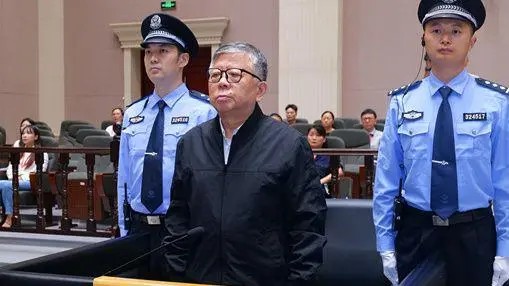
A former municipal official in China, Yang Youlin, has been sentenced to death by a court in eastern China for accepting over 2.2 billion yuan (approximately $325 million) in bribes over a 30-year period. Yang, who held various positions in the municipal administration of Nanjing between 1993 and 2023, was also convicted of embezzlement, abuse of power, and money laundering. The illicitly obtained amount is among the largest recorded in recent corruption cases in China. State media reported that the 69-year-old former official used his positions to help third parties secure engineering contracts, land transfers, and financing in exchange for money and valuables. Yang's investigation is part of President Xi Jinping's anti-corruption campaign, which has also targeted military and financial sector figures. The Changzhou court stated that Yang committed crimes of an "extremely serious nature" and caused "exceptionally heavy losses to the interests of the state and the people." While critics suggest Xi's anti-corruption drives may also serve to consolidate power, death sentences for corruption, though rare, are occasionally applied in cases involving sums exceeding 1 billion yuan. Examples include Lai Xiaomin, executed in 2021 for receiving 1.8 billion yuan in bribes, and Li Jianping, sentenced to death in 2024 for over 3 billion yuan in corruption. In Yang's case, despite his cooperation with authorities and expression of remorse, the court deemed his crimes too severe for a lighter sentence.
This case highlights the severe penalties China imposes on high-level corruption, particularly when vast sums are involved. The significant bribe amount, exceeding $325 million, underscores the systemic challenges in preventing illicit financial flows within state-controlled economic development sectors. While the death penalty serves as a powerful deterrent, its application in corruption cases also raises questions about judicial transparency and the potential for political motivations within anti-corruption campaigns. Moving forward, the focus will be on the effectiveness of China's evolving governance structures in fostering ethical conduct and ensuring accountability, especially as the nation navigates complex economic landscapes and technological advancements.
AI-generated to prompt reflection — not editorial opinion, not advice, not a statement of fact. How this works.