Chinese Public QR Codes Hijacked for Scams and Porn
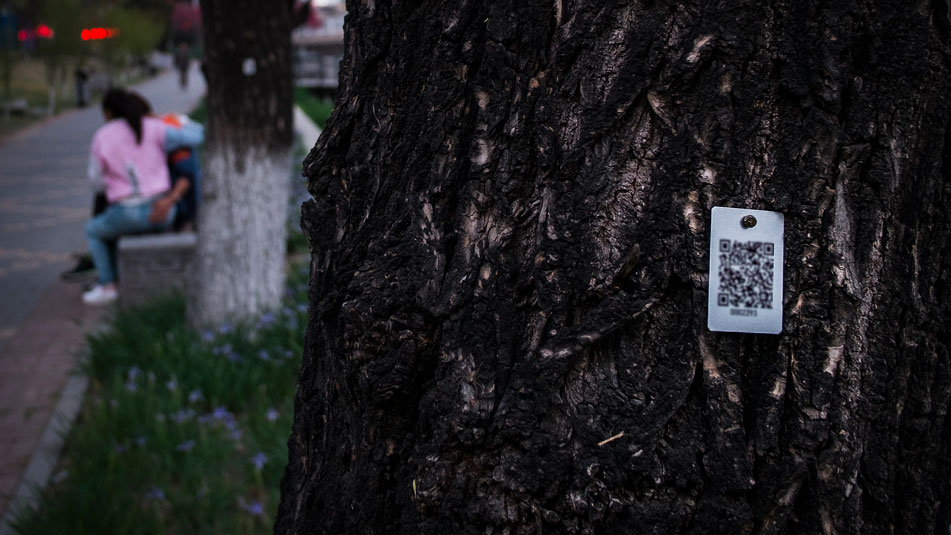
Criminals are exploiting expired web domains associated with government-registered QR codes in China. These codes, found on public infrastructure like street lamps and public vehicles, are being rerouted by malicious actors to redirect users to fraudulent scam websites or pornographic content. This practice poses a significant risk to the public, as scanning seemingly innocuous public QR codes can now lead to dangerous online destinations. The exploitation targets the lapse in domain registration, creating a vulnerability in the public information system. Users are advised to exercise extreme caution when scanning any public QR code in China, as the intended destination may no longer be secure.
The exploitation of expired domain registrations for public QR codes highlights a critical cybersecurity vulnerability within infrastructure management. This incident underscores the need for robust oversight and automated renewal systems for digital assets linked to public services. The potential for malicious redirection to scams or inappropriate content demonstrates how even seemingly minor administrative oversights can be leveraged for harmful purposes. Future-proofing such systems requires proactive domain management, regular security audits, and potentially a centralized registry that monitors the integrity of public-facing digital links. This situation presents a case study in the importance of digital hygiene for public entities, especially as the reliance on QR codes for information and access continues to grow.
AI-generated to prompt reflection — not editorial opinion, not advice, not a statement of fact. How this works.