Chinese researchers develop low-cost method to convert plastic waste into jet fuel
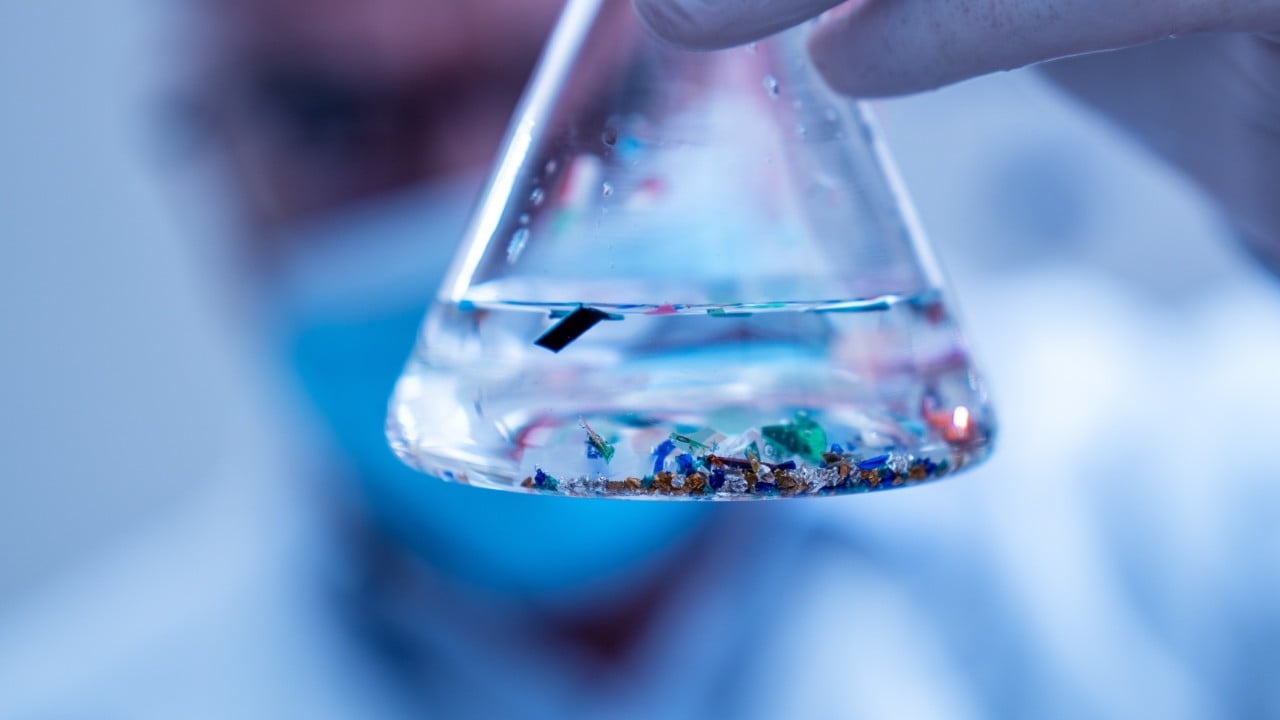
A new chemical technique developed by Chinese researchers offers a promising and potentially low-cost solution to the global plastic waste crisis. With annual global plastic production exceeding 460 million tonnes, concerns about the environmental impact of this persistent material are escalating. Traditional methods of disposal, such as incineration and landfilling, are not only inefficient but also contribute significantly to pollution. This innovative technology converts discarded plastics into aviation fuel, presenting an alternative to current wasteful and harmful practices. The research aims to address the dual challenges of plastic pollution and the demand for sustainable energy sources in the aviation industry.
This development addresses two critical global challenges: plastic waste management and sustainable aviation fuel. The proposed low-cost conversion technology could incentivize the collection and processing of plastic waste, potentially mitigating environmental pollution. From a systems perspective, it highlights the ongoing innovation in circular economy models, seeking to transform waste streams into valuable resources. The long-term viability will depend on scaling the technology, ensuring energy efficiency in the conversion process, and assessing the full lifecycle environmental impact compared to conventional jet fuels. This approach aligns with the broader trend of resource valorization, driven by both environmental pressures and the pursuit of energy independence.
AI-generated to prompt reflection — not editorial opinion, not advice, not a statement of fact. How this works.