Chinese Robot Makers Seek Better AI 'Brains' and More Data for Enhanced Interaction
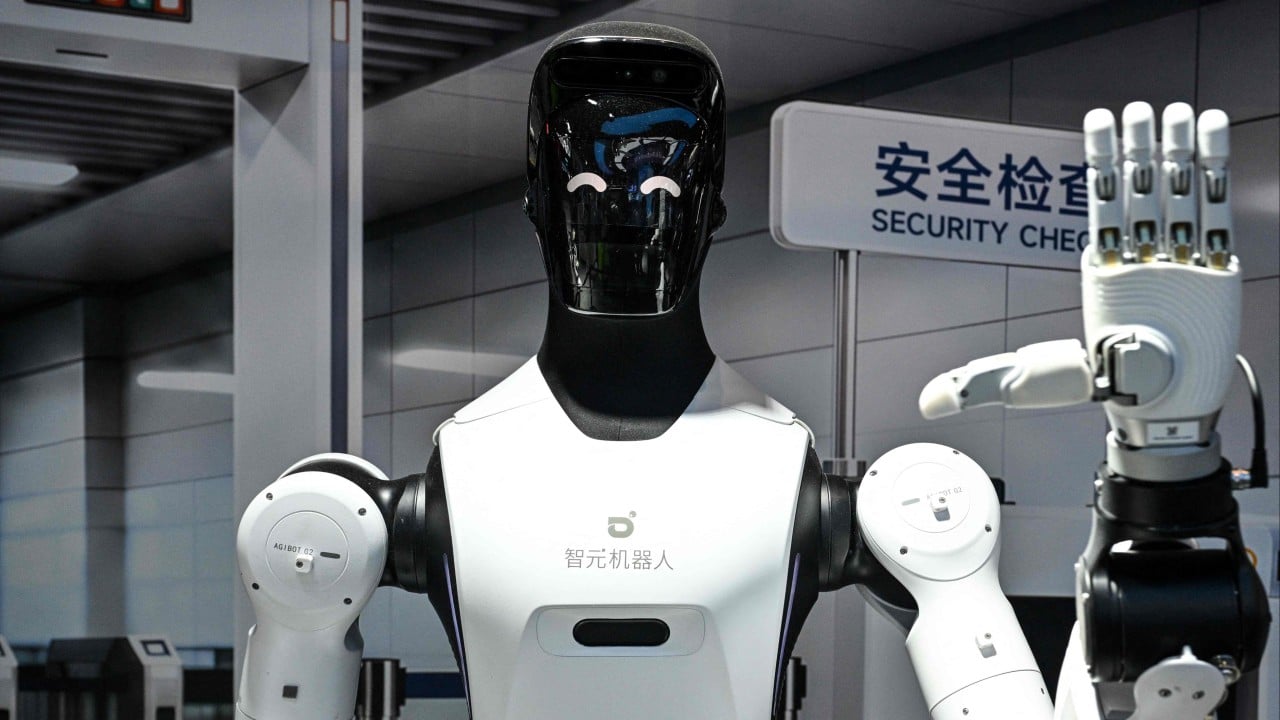
Chinese robotics companies are facing significant hurdles in developing more sophisticated products due to a lack of both sufficient data and advanced artificial intelligence 'brains'. Industry insiders at the World Artificial Intelligence Conference (WAIC) in Shanghai highlighted these challenges, emphasizing the critical need to integrate hardware, data, models, and real-world scenarios into a cohesive, iterative system. Wang Xiaogang, co-founder of SenseTime and chairman of its robotics division, pointed out that this closed-loop system is essential for progress in the embodied AI sector. The current limitations hinder the ability of robots to interact effectively with their physical environments. Addressing these gaps is seen as paramount for the future growth and innovation within China's robotics industry. The conference, which concluded on Monday, served as a platform for these discussions among key players.
The reliance on external data and sophisticated AI models for robotics development highlights a common challenge in the field. For China's robotics sector, the emphasis on creating a 'closed-loop iterative system' suggests a strategic focus on domestic capabilities and data sovereignty. This approach aims to reduce dependency on foreign AI technologies and foster indigenous innovation. However, the effectiveness of such a system will hinge on the ability to generate and curate high-quality, diverse datasets that accurately reflect real-world complexities. The long-term success will depend on balancing the drive for self-sufficiency with the imperative to adopt global best practices in AI research and development, ensuring that Chinese robots can compete effectively on the international stage by offering superior performance and adaptability.
AI-generated to prompt reflection — not editorial opinion, not advice, not a statement of fact. How this works.