Chinese Scientists Find Space Unconducive to Human Reproduction
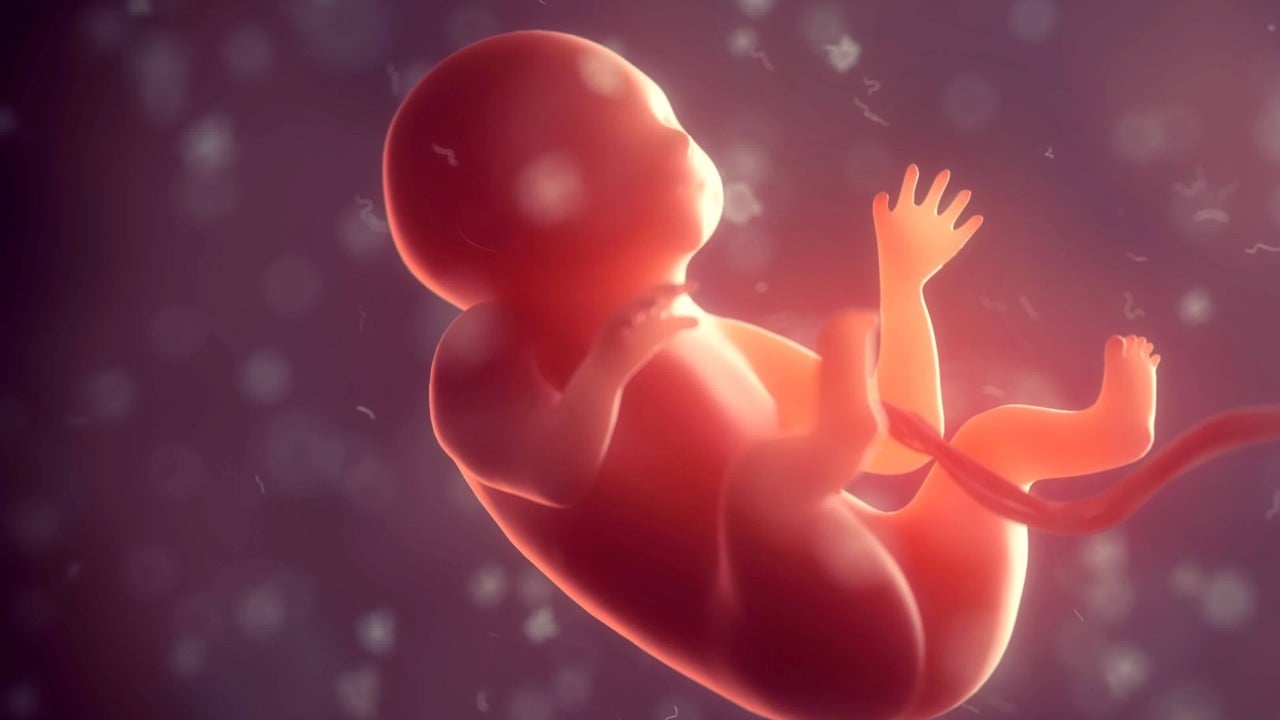
Human reproduction in space faces significant challenges, according to a recent study by Chinese scientists. Researchers from the Chinese Academy of Sciences utilized two of China's Tianzhou cargo spacecraft missions to investigate the development of human reproductive cells in orbit. Their findings indicate that early-stage human reproductive cells exhibited substantially poorer growth and differentiation in the space environment compared to their counterparts on Earth. This discovery casts doubt on the feasibility of long-term human habitation and species perpetuation beyond our home planet. While the study highlights negative outcomes, the researchers also noted a potential positive aspect, suggesting a 'silver lining' to their findings, though specific details of this positive aspect were not elaborated upon in the provided text. The research underscores the complex biological hurdles that must be overcome for humanity to establish a presence in outer space.
The findings from the Chinese Academy of Sciences highlight a critical biological constraint for potential off-world human settlements. The reduced capacity for human reproductive cell development in space suggests that current technological and biological understanding may be insufficient for sustaining a population beyond Earth. Future endeavors in space colonization will require significant advancements in artificial environments that can replicate Earth's conditions or novel biological solutions to overcome these inherent limitations. This research prompts consideration of the long-term viability of space-based human life and the extensive research and development needed to address fundamental biological needs in extraterrestrial settings.
AI-generated to prompt reflection — not editorial opinion, not advice, not a statement of fact. How this works.