Chinese Scientists Unveil ContactSeek AI for Precision Gene Editing Tool Design
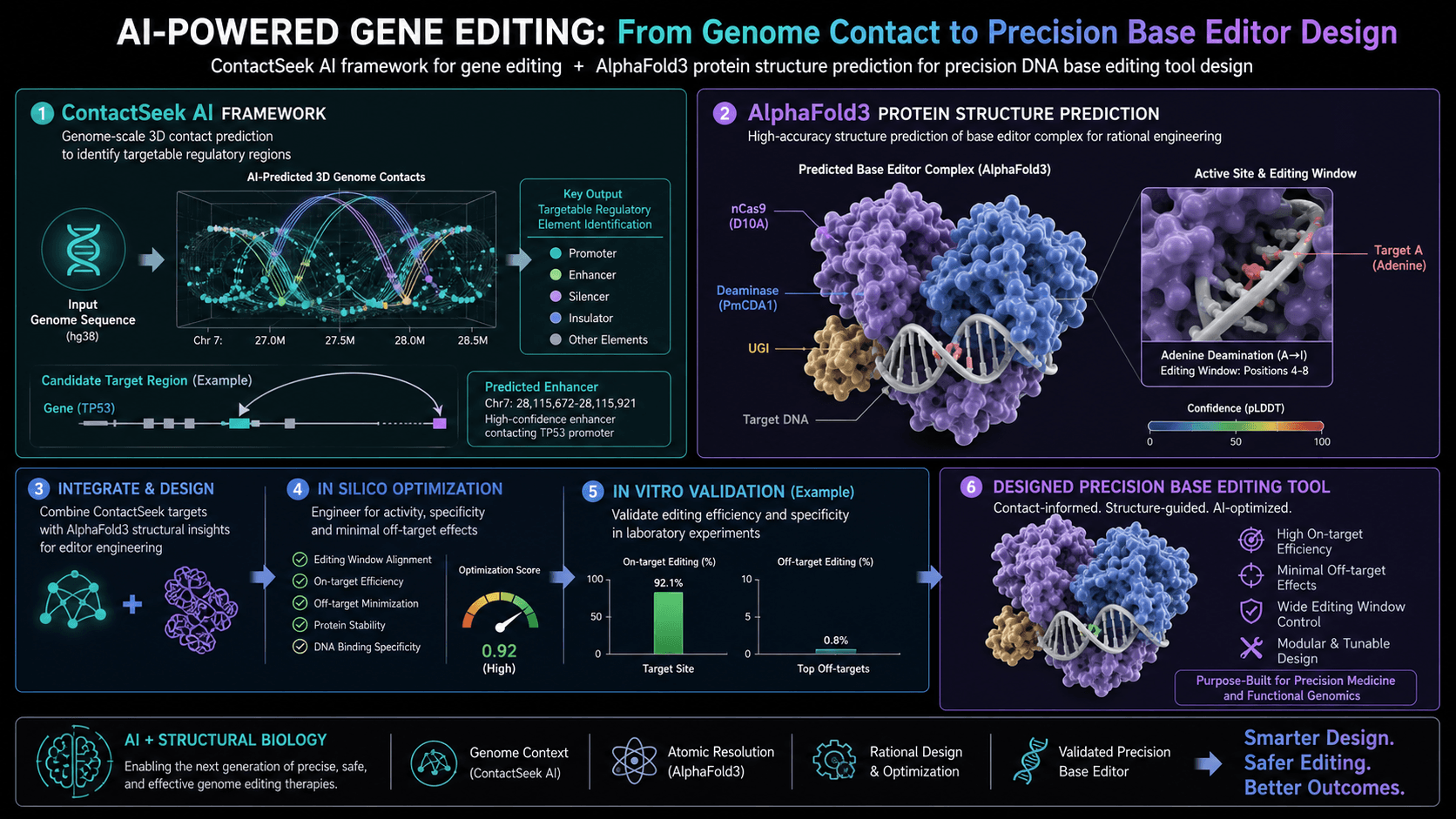
A research team from Peking University, led by Yi Chengqi, in collaboration with East China Normal University, has developed a novel AI framework named ContactSeek. This framework leverages the contact probability predictions from AlphaFold3, a cutting-edge protein structure prediction model. The primary goal of ContactSeek is to identify crucial amino acid residues within proteins. This identification is essential for the precise engineering of base editing tools, a powerful technology used in gene editing. The research detailing this development has been published in the prestigious scientific journal Nature. The application of AlphaFold3's predictive capabilities signifies a new paradigm in designing highly accurate gene editing instruments.
The development of ContactSeek by Chinese researchers represents a significant advancement in leveraging advanced AI models like AlphaFold3 for practical biological applications. By focusing on protein contact probability, the framework aims to enhance the precision of gene editing tools, potentially reducing off-target effects and improving therapeutic outcomes. This approach underscores a broader trend of using AI to accelerate biological discovery and engineering, moving from understanding to precise manipulation of genetic material. The long-term impact will likely involve more sophisticated and safer gene editing technologies, necessitating careful consideration of ethical frameworks and regulatory oversight as these tools become more potent and accessible.
AI-generated to prompt reflection — not editorial opinion, not advice, not a statement of fact. How this works.