Chinese Study Warns of Space Debris Threat to Lunar Missions
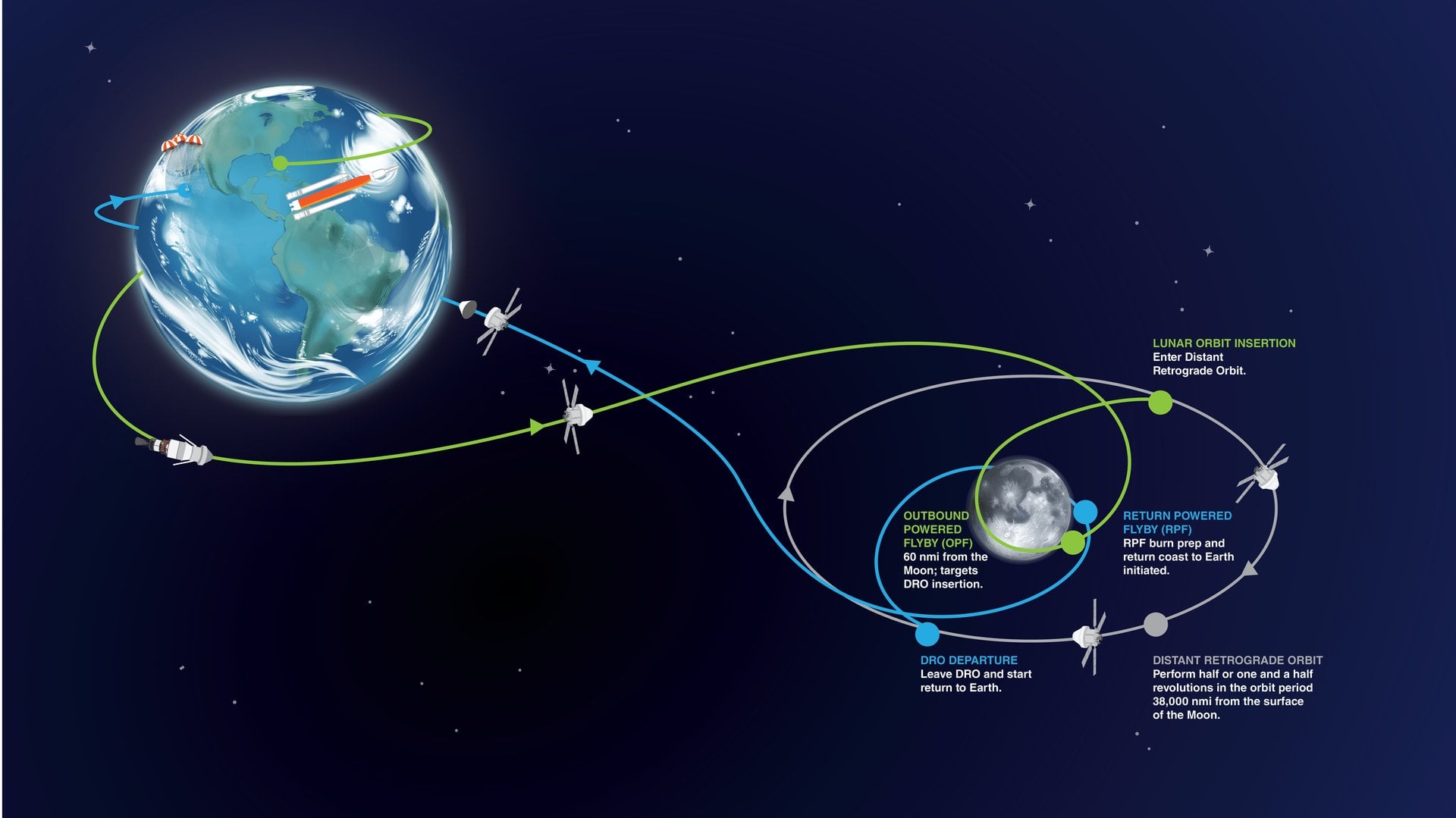
A recent study by the Chinese Academy of Sciences (CAS) has highlighted significant risks posed by space debris in cislunar space, the region between the Earth and the Moon. This debris could severely jeopardize future missions aiming for lunar exploration. The research underscores the growing concern over the accumulation of artificial objects in Earth's orbital environment and beyond. As space activities increase, the potential for collisions and the generation of further debris escalates. The CAS study specifically focuses on the potential impact on spacecraft and astronauts traveling to and from the Moon. It suggests that without proper mitigation strategies, the viability of sustained lunar presence and exploration could be compromised. The findings call for international cooperation and the development of robust space traffic management systems. Addressing this issue is crucial for ensuring the safety and success of upcoming lunar endeavors and the long-term sustainability of space exploration.
The accumulation of space debris in cislunar space presents a growing systemic challenge to the future of space exploration. As multiple nations and private entities increase their activities in Earth orbit and beyond, the potential for Kessler syndrome-like effects in the Earth-Moon system becomes more pronounced. This situation necessitates a proactive, globally coordinated approach to space traffic management and debris mitigation. Future governance frameworks will need to balance the imperative of exploration and resource utilization with the fundamental requirement of maintaining a safe and sustainable orbital environment. The long-term viability of lunar bases and interplanetary missions hinges on addressing these externalities effectively, requiring innovation in tracking, removal, and responsible space conduct.
AI-generated to prompt reflection — not editorial opinion, not advice, not a statement of fact. How this works.