Chinese Tea Terms in English: From Admiration to Distortion
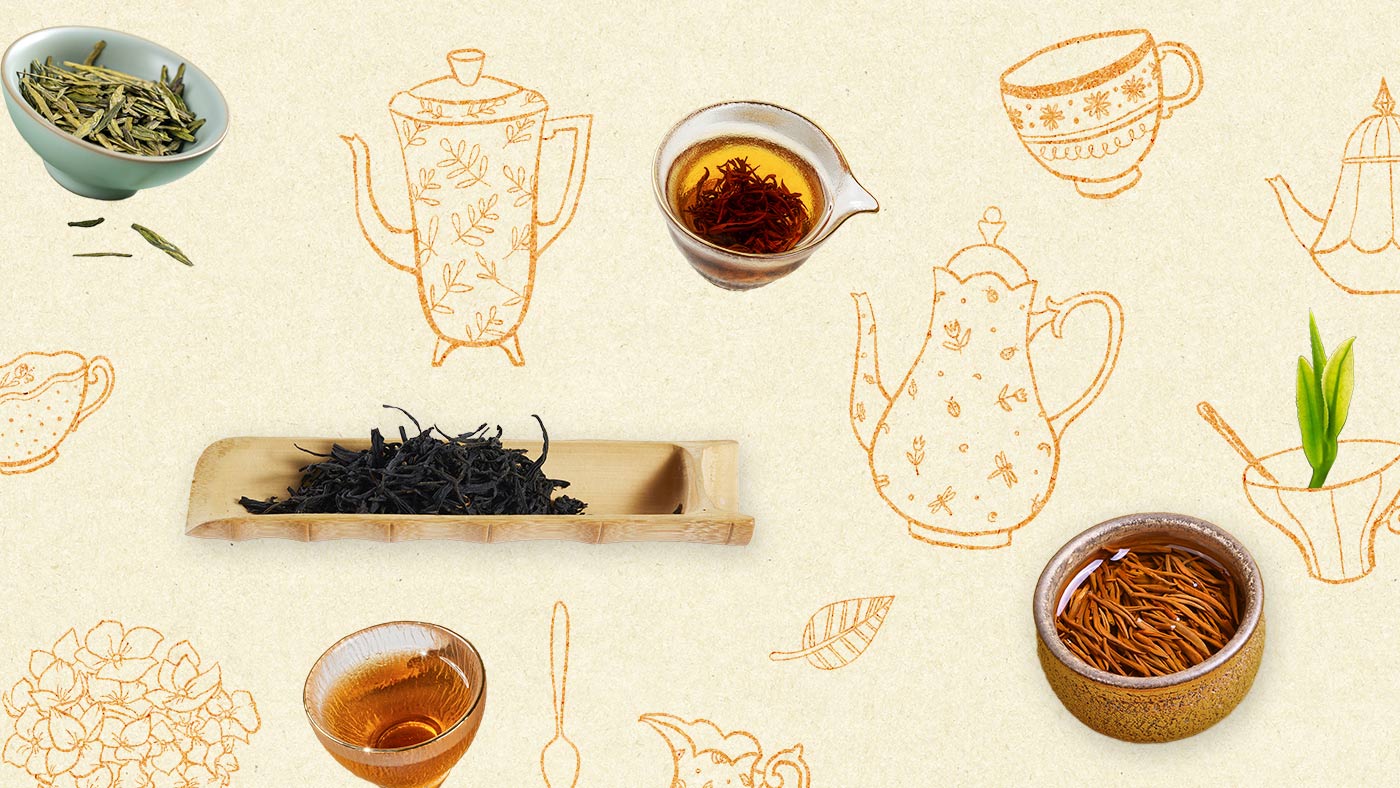
The English language's evolution of Chinese tea terms reflects a complex history of cultural exchange, moving from initial admiration to eventual distortion and even mockery. Initially, terms like "bohea" and "congo" were adopted with respect, representing prestigious imports. However, over time, these terms underwent significant adaptation and phonetic shifts, sometimes becoming unrecognizable from their origins.
This linguistic transformation highlights how foreign goods and their associated language are absorbed and reinterpreted within a new cultural context. The journey of these tea names from esteemed commodities to subjects of linguistic play, even becoming associated with pantomime characters, underscores the dynamic and sometimes humorous nature of language evolution. It serves as a case study in how cultural perceptions and linguistic trends can shape the way foreign words are understood and used.
The linguistic evolution of Chinese tea terms in English illustrates how cultural perception and market forces can alter the reception of foreign products and their associated language. Initial adoption often carries a sense of prestige, but subsequent adaptation can lead to phonetic simplification, misinterpretation, or even trivialization as the product becomes more commonplace or enters different social strata. This process reveals underlying dynamics of cultural assimilation and the power of dominant languages to reshape foreign terminology. Understanding these shifts can offer insights into broader patterns of globalization, where the original meaning and cultural significance of imported goods can become diluted or transformed over time, impacting both consumer understanding and brand identity.
AI-generated to prompt reflection — not editorial opinion, not advice, not a statement of fact. How this works.