Chinese Teens Stage Fake ICE Raids and Kidnapping Drills for US College Prep
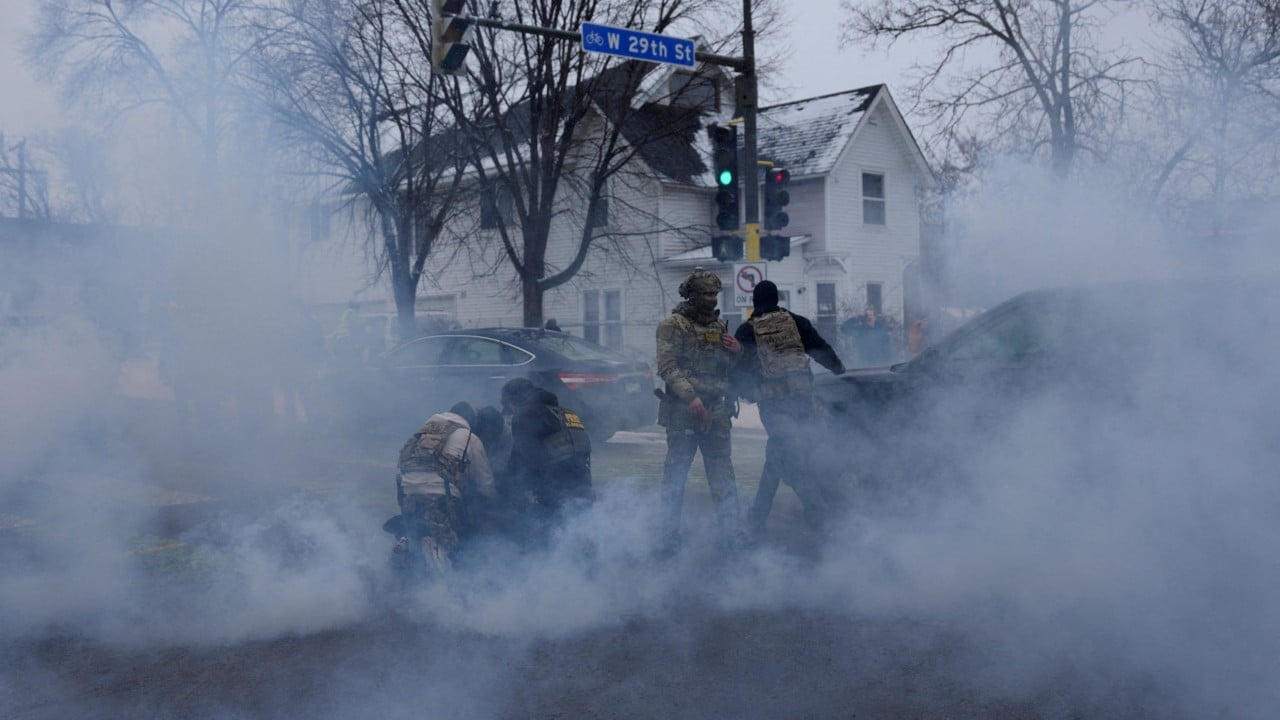
Chinese teenagers are reportedly engaging in elaborate role-playing scenarios, including simulated Immigration and Customs Enforcement (ICE) raids and kidnapping drills, as a method of preparing for potential challenges they might face in the United States, particularly when attending college. One account describes a Beijing student named Lulu Lu being startled by a staged home invasion. In the drill, an intruder burst into her room, shone a flashlight in her face, and demanded her phone. The student was then blindfolded, had her hands tied, and was made to record a plea to her parents. These simulations appear to be designed to help students cope with stressful or traumatic situations they might encounter, such as unexpected encounters with authorities or even more extreme scenarios like abduction. The practice highlights the intense pressure and anxieties some Chinese students experience regarding their transition to studying in the US. The goal of these drills seems to be to build resilience and preparedness for a range of unpredictable events.
The reported practice of staging simulated ICE raids and kidnapping drills by Chinese teens preparing for US college suggests a heightened level of anxiety surrounding international study. This phenomenon may reflect a perceived need for extreme preparedness, possibly influenced by media narratives or a desire to mitigate perceived risks in a foreign environment. Such drills, while intended to build resilience, could inadvertently induce stress or trauma, raising questions about the psychological impact of these preparation methods. From a systems perspective, this highlights the complex interplay between educational aspirations, geopolitical perceptions, and the psychological well-being of students navigating global mobility. Future considerations might involve exploring more constructive and less psychologically taxing methods for preparing students for the challenges of studying abroad, focusing on cultural adaptation and practical problem-solving rather than simulated crises.
AI-generated to prompt reflection — not editorial opinion, not advice, not a statement of fact. How this works.