Chinese think tank: 'Nato 3.0' will fail, expansion into Asia-Pacific risks conflict
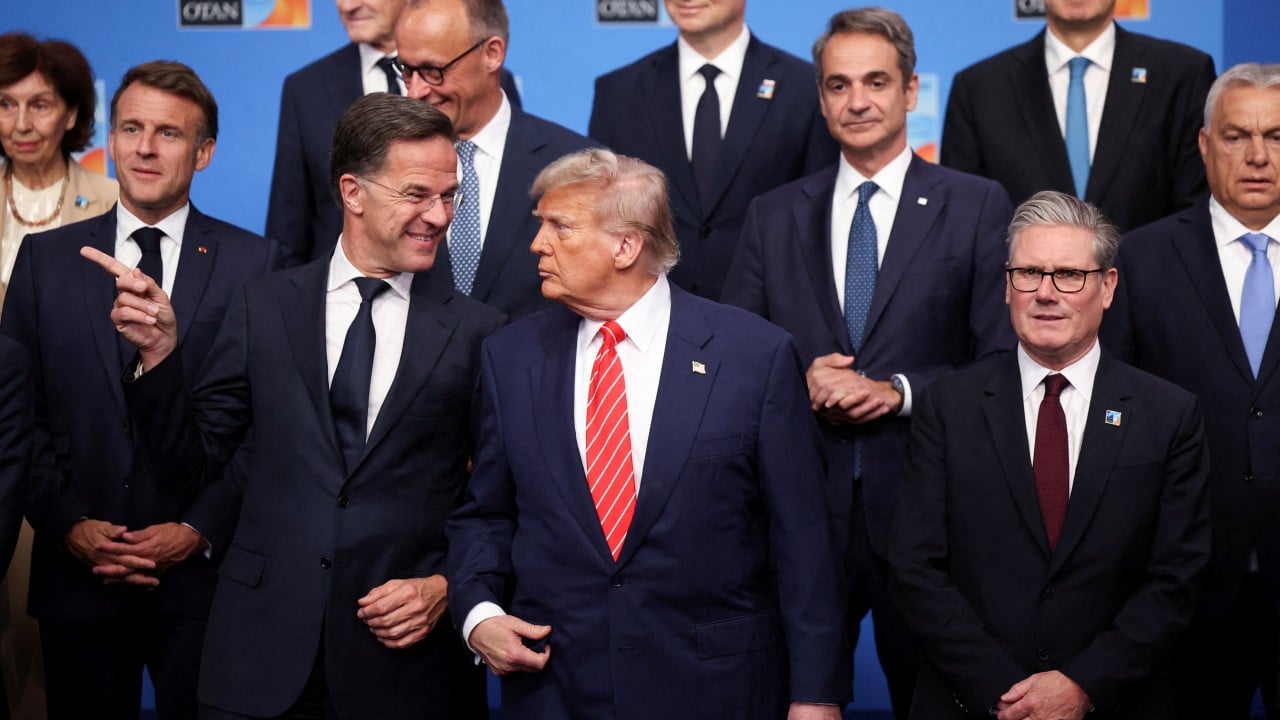
A report from the China Institutes of Contemporary International Relations (CICIR), a prominent Chinese think tank, warns that a shift towards a more Europe-led "Nato 3.0" will not resolve existing strategic disagreements between the United States and European nations. The report, released on Monday, also cautions that NATO's growing military and defense partnerships with Asia-Pacific countries, including Japan, will lead to increasing friction. According to the think tank, this expansion risks placing the alliance at odds with the region's accelerating geopolitical dynamics. The CICIR suggests that such moves could undermine regional stability and potentially escalate tensions. The report implies that NATO's focus on broadening its scope beyond the North Atlantic may be a miscalculation, diverting resources and attention from core security concerns. The analysis from Beijing indicates a concern that NATO's outreach to the Indo-Pacific could be perceived as an attempt to contain China's influence. The think tank's findings highlight a divergence in strategic priorities between the US and Europe, suggesting that a unified approach under "Nato 3.0" is unlikely to materialize effectively. The report ultimately forecasts that NATO's attempts to expand its influence in the Asia-Pacific will be met with significant challenges and potential backlash.
This report from a Chinese think tank frames NATO's potential evolution and expansion into the Asia-Pacific through a lens of geopolitical competition. The analysis suggests that internal European-US strategic divergences will limit NATO's effectiveness, while its outreach to Asia is viewed as a destabilizing factor that could exacerbate regional tensions. The report implicitly critiques NATO's expansionist tendencies, positioning them as a potential source of conflict rather than security. From a forward-looking perspective, the increasing interconnectedness of global security challenges, amplified by AI and advanced technologies, necessitates careful consideration of alliance dynamics and their impact on international stability. The report's perspective highlights the complex interplay of national interests, alliance cohesion, and regional security architectures in an evolving global order.
AI-generated to prompt reflection — not editorial opinion, not advice, not a statement of fact. How this works.