Chinese Vessels Persist in West Philippine Sea Amid Hague Ruling
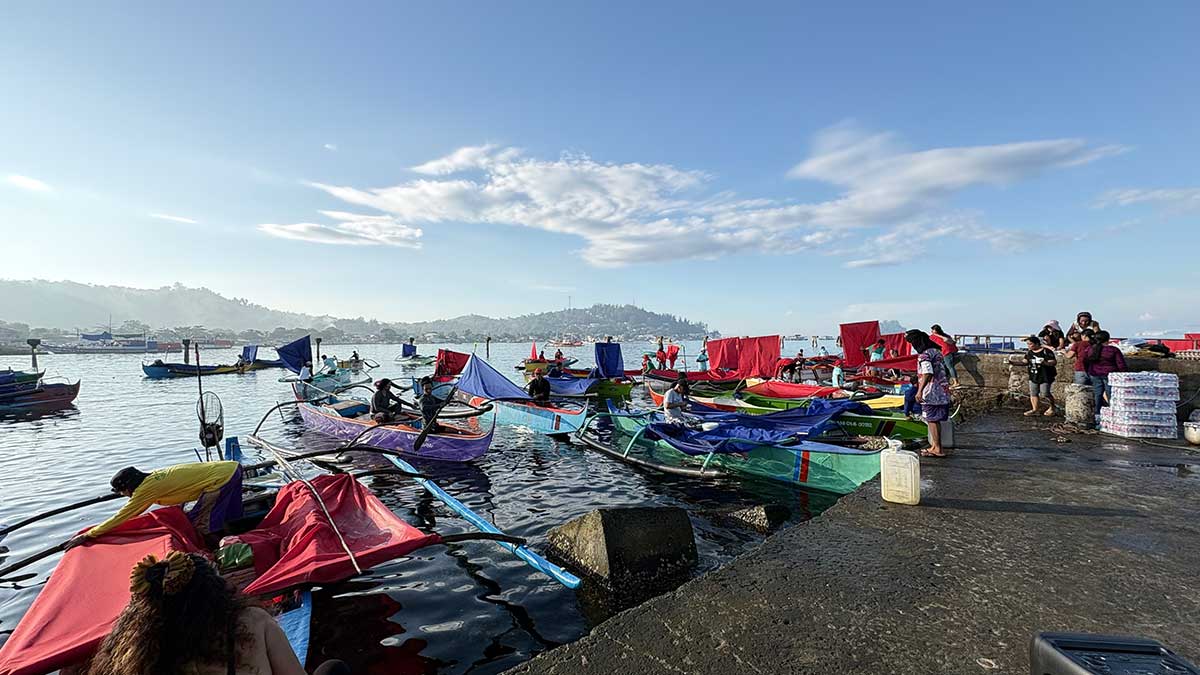
Despite the 2016 Permanent Court of Arbitration ruling in The Hague, Chinese ships continue to frequent the West Philippine Sea (WPS). Fisher Jerwin Cananea, a 35-year-old from Subic, Zambales, Philippines, avoids traditional fishing grounds like Scarborough Shoal due to the presence of these vessels. His fishing expeditions are typically limited to 60 to 70 nautical miles (112 to 129 kilometers) offshore. Even within these closer waters, fishermen like Cananea face challenges and potential risks associated with the ongoing maritime disputes. The continued presence of Chinese ships underscores the unresolved nature of territorial claims and the impact on local fishing communities. This situation highlights the persistent tension in the region and the difficulties faced by Filipino fishermen in accessing their traditional fishing areas. The ruling by the international tribunal has not deterred the presence of Chinese maritime assets in these disputed waters.
The continued presence of Chinese vessels in the West Philippine Sea, despite an international arbitration ruling, points to a divergence between international legal pronouncements and on-the-ground geopolitical realities. This situation reflects the complexities of enforcing international law in contested maritime territories, particularly when powerful state actors are involved. The persistent challenges faced by local fishermen illustrate the tangible economic and livelihood impacts of such geopolitical disputes. Future resolutions may hinge on diplomatic negotiations, regional security frameworks, and the evolving balance of power, with potential implications for international maritime governance and resource access in the coming decade.
AI-generated to prompt reflection — not editorial opinion, not advice, not a statement of fact. How this works.