Chinese Youth Embrace Traditional Medicine for Summer Wellness
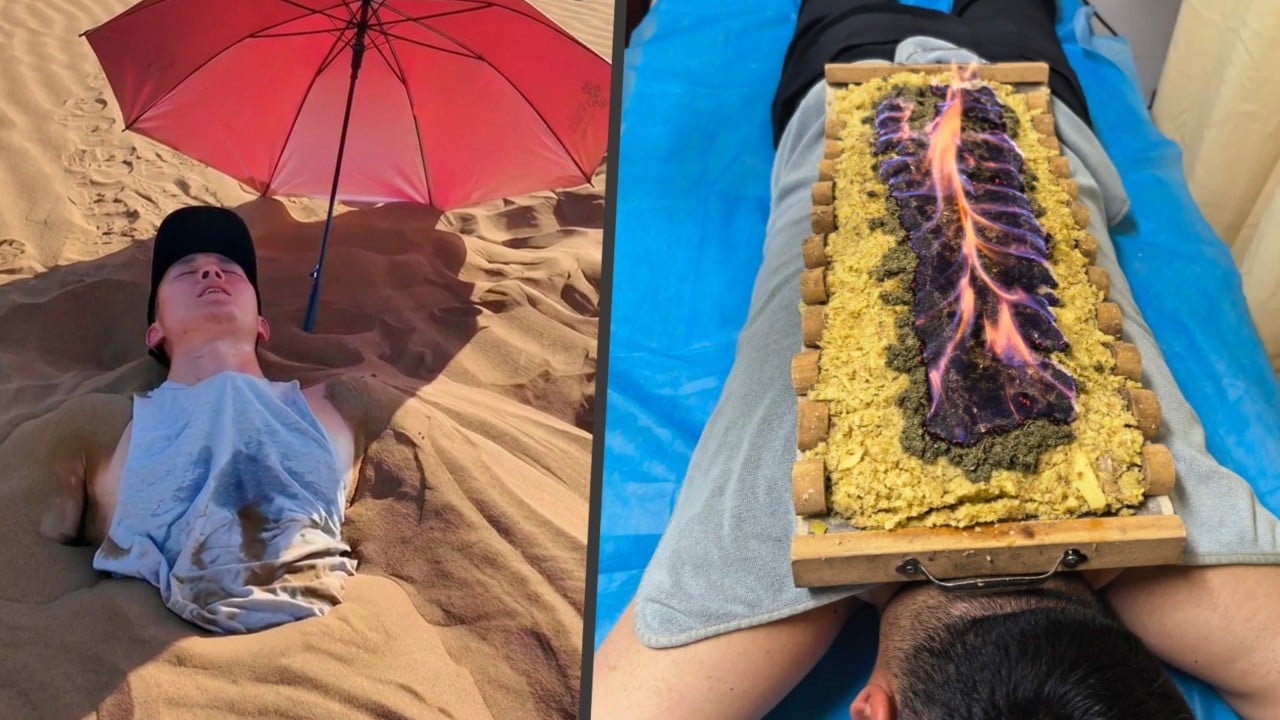
As China experiences its peak summer heat, a growing number of young people are adopting traditional Chinese medicine (TCM) practices to combat fatigue, oily skin, and low energy. This trend centers on the concept of 'qushi,' or eliminating dampness from the body, a notion with roots stretching back approximately 2,000 years to foundational TCM texts like the Huangdi Neijing. What was once an ancient medical principle has now transformed into a popular wellness movement among Chinese youth. This viral trend encompasses various remedies, including cupping therapy and herbal foot soaks, as individuals seek holistic approaches to managing summer-related discomforts and improving their overall well-being. The resurgence of these traditional practices highlights a generational interest in alternative health solutions beyond conventional Western medicine.
The growing popularity of TCM practices like 'qushi' among Chinese youth reflects a broader global trend of younger generations seeking holistic and culturally resonant wellness solutions. This movement indicates a potential shift in healthcare preferences, where traditional systems are being re-evaluated and integrated alongside modern medicine. The appeal may stem from a desire for natural remedies, a connection to cultural heritage, or a response to perceived limitations in conventional approaches to lifestyle-related ailments. This trend could influence future healthcare market dynamics, encouraging innovation in integrating traditional knowledge with scientific validation and modern delivery methods.
AI-generated to prompt reflection — not editorial opinion, not advice, not a statement of fact. How this works.
