Chip equipment maker ASM reports record revenue amid AI boom, but faces investor jitters
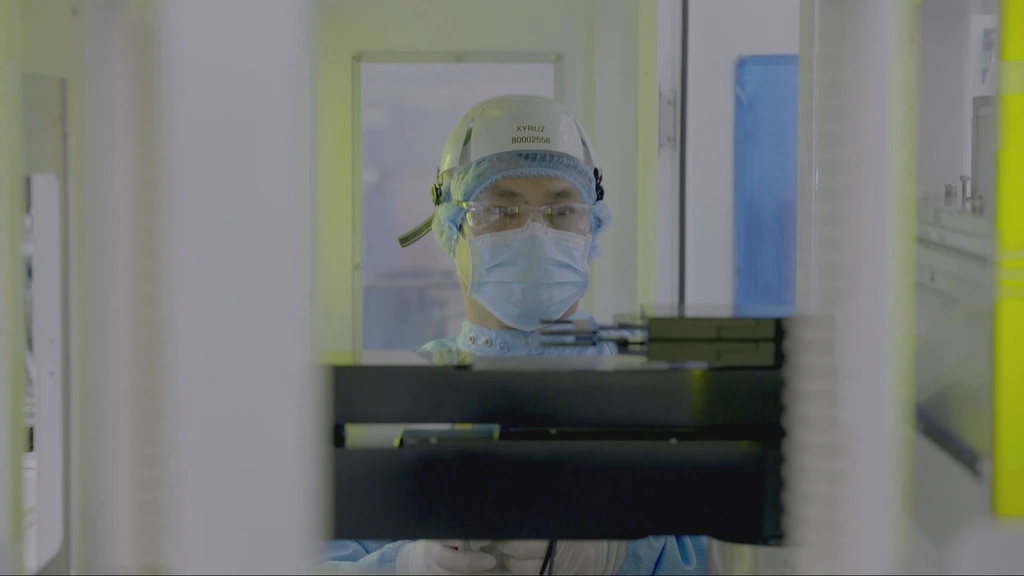
Dutch chip equipment manufacturer ASM has announced a record revenue exceeding 1 billion euros for the past quarter, driven by the global surge in artificial intelligence (AI) infrastructure demand. This strong financial performance, coupled with a net profit of over 285 million euros (up from 173 million euros a year ago), positions the company within what CEO Paul Verhagen describes as a "supercycle." He explained that the expansion of AI infrastructure directly fuels demand for chips, which ASM supplies to major producers like TSMC, Intel, and Samsung. These chips are essential for data centers and other AI-related facilities, making the market exceptionally robust.
Despite the record earnings, ASM's stock experienced a significant drop of over 7% on the Amsterdam stock exchange, reflecting broader investor anxieties. The market is reportedly overreacting to AI news, with growing doubts about the return on massive investments in the technology. Additionally, concerns about China's advancements in chip manufacturing have unsettled investors. Reports suggest China has developed an AI chatbot requiring fewer chips and, more recently, a machine capable of producing high-end chips, potentially posing a direct threat to Dutch competitor ASML. While ASM is restricted by U.S. sanctions from selling advanced machines to China, Verhagen expressed confidence, stating ASM wins most direct competitive bids against Chinese firms. He acknowledged China's focus on progress but emphasized the need for continuous innovation to remain competitive globally.
The semiconductor equipment sector, exemplified by ASM's performance, is experiencing a demand surge driven by the AI revolution, creating a "supercycle" for manufacturers. However, investor sentiment appears volatile, oscillating between optimism about AI's potential and apprehension regarding market saturation, geopolitical risks, and the pace of technological competition. The U.S. sanctions on China's access to advanced chip technology create a bifurcated market, potentially benefiting companies like ASM and ASML in Western markets while spurring indigenous development in China. This dynamic highlights the tension between global technological collaboration and national security interests. The long-term sustainability of this growth will depend on continued AI innovation, the ability of chipmakers to translate AI advancements into tangible economic returns, and the evolving landscape of international trade policies and technological self-sufficiency.
AI-generated to prompt reflection — not editorial opinion, not advice, not a statement of fact. How this works.