Chittagong Wasa Faces Criticism for Proposed Water Price Hike Amidst System Losses
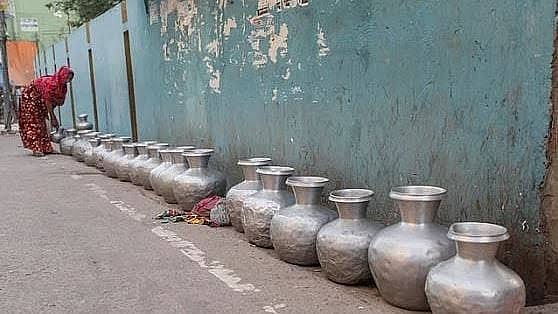
Chittagong Water Supply and Sewerage Authority (Wasa) produces an average of 500 million liters of water daily, but approximately 25%, or 125 million liters, is lost due to 'system loss' and does not generate revenue. This results in an annual wastage of production costs estimated at 146 crore Taka. Compounding financial challenges, Wasa has accumulated outstanding bills totaling nearly 241 crore Taka from its customers. Despite these significant financial weaknesses, Wasa's revenue department has proposed a 5% increase in water prices for both residential and commercial consumers. The Consumers Association of Bangladesh (CAB) has publicly demanded the withdrawal of this proposal, citing Wasa's inefficiencies. The proposed price hike was discussed at a Wasa board meeting, which subsequently formed a four-member committee to gather opinions from various stakeholders, including consumer representatives and professionals, before making a decision. Questions have been raised about the rationale behind increasing prices without addressing the substantial revenue loss from uncollected bills and persistent system losses. Wasa's Managing Director, Selim Mohammad Jane Alam, acknowledged the issues and stated that efforts are underway to improve the situation. These include the phased installation of smart and prepaid meters, digitization of the billing system, and stricter measures against illegal connections and water theft, with a goal to reduce system loss from 25% to 15% within a year. Wasa has implemented projects worth approximately 8,500 crore Taka over the last decade, increasing production capacity significantly through new treatment plants and extensive pipeline networks, largely funded by foreign loans and government money. The authority justifies the price increase by citing rising operational costs, including loan repayments, electricity, and chemicals. However, the core issue of system loss persists, fluctuating between 17% and 25% in recent months, indicating that increased production capacity has not translated into proportional revenue generation. The system loss is attributed to various factors, including leaks in pipelines, illegal connections, water theft, faulty meters, and billing errors, with internal disagreements within Wasa regarding the exact causes and proportions of these losses. Beyond production losses, Wasa also struggles with collecting payments for the water it does bill, with outstanding amounts reaching over 240 crore Taka. CAB argues that Wasa should prioritize reducing its own inefficiencies, such as curbing illegal connections, preventing theft, eliminating average billing, replacing faulty meters, and improving bill collection, before imposing further financial burdens on consumers.
The proposed water price increase by Chittagong Wasa, despite significant system losses and uncollected revenue, highlights a common challenge faced by public utilities: balancing operational costs with consumer affordability. The authority's justification, citing increased loan repayments and operational expenses from infrastructure upgrades, points to the long-term capital investment cycle in essential services. However, the persistent 'system loss' of 25% represents a substantial inefficiency that directly impacts financial viability and consumer trust. From a systemic perspective, the disconnect between infrastructure investment and effective revenue management suggests a need for enhanced governance and technological adoption. The proposed solution of smart meters and digital billing, while promising, requires robust implementation to address issues like illegal connections and theft, which are often driven by underlying socioeconomic factors and governance gaps. The core tension lies in whether price hikes are a sustainable solution or a symptom of deeper operational and accountability deficits. Future strategies should focus on incentivizing efficiency, improving transparency in loss attribution, and exploring innovative financing models that do not disproportionately burden consumers, especially in the context of evolving climate and resource management challenges.
AI-generated to prompt reflection — not editorial opinion, not advice, not a statement of fact. How this works.
