Chocolate Basket Scam Costs Two Women R$26,000 in Governador Valadares
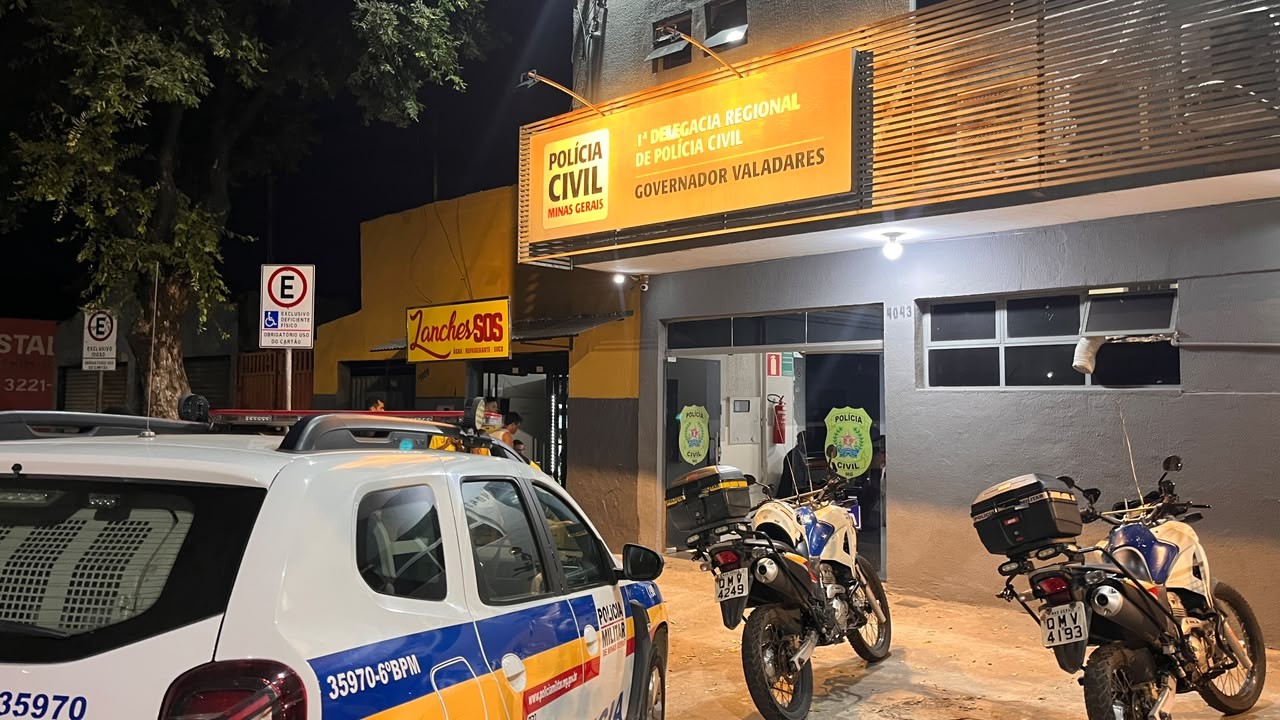
Two women in Governador Valadares, Brazil, lost a combined R$26,000 to a "fake chocolate basket" scam. The incidents, reported by Military Police on Monday, February 27th, and Tuesday, February 28th, occurred in the São Paulo and Ilha dos Araújos neighborhoods. In both cases, victims received app messages claiming they had won a chocolate basket for their birthday. Shortly after, a man posing as a delivery driver arrived at their homes, requesting a R$7 delivery fee. In the first case, a 62-year-old woman in the São Paulo neighborhood handed over her bank card and cell phone to the supposed delivery person, who claimed payment machines were malfunctioning. The perpetrator then made unauthorized PIX transfers totaling approximately R$17,000 and uninstalled the victim's banking app before fleeing. The second incident involved a 45-year-old woman in the Ilha dos Araújos neighborhood on Tuesday evening. The suspect allegedly used a profile impersonating a chocolate shop to advertise the fraudulent gift. During the delivery, he manipulated the victim's card machine and cell phone, executing two unauthorized credit transactions amounting to R$9,000. Like the first victim, he left without delivering any product. Both cases have been forwarded to the Civil Police for investigation. Military Police are advising the public to be wary of unexpected delivery fees for gifts and to verify offers directly with the sender or company. They also recommend never handing over bank cards or cell phones to third parties during transactions, always checking the amount on the payment terminal before entering a PIN, and contacting the police immediately at 190 if suspicious.
This incident highlights a common social engineering tactic exploiting the human desire for gifts and the trust placed in delivery services. The perpetrators leverage psychological triggers like surprise and perceived value to bypass rational decision-making. The scam's success relies on creating a sense of urgency and legitimacy through impersonation and fabricated delivery fees, ultimately leading to financial loss. The police's advice emphasizes critical thinking and verification, suggesting that enhanced digital literacy and consumer awareness campaigns could mitigate such fraud. Future iterations of such scams may incorporate more sophisticated digital impersonation techniques, necessitating ongoing vigilance and adaptive security measures from both individuals and financial institutions.
AI-generated to prompt reflection — not editorial opinion, not advice, not a statement of fact. How this works.