Chocolate Tasters: The 'Dream Job' That Demands Technical Skill and a Keen Palate
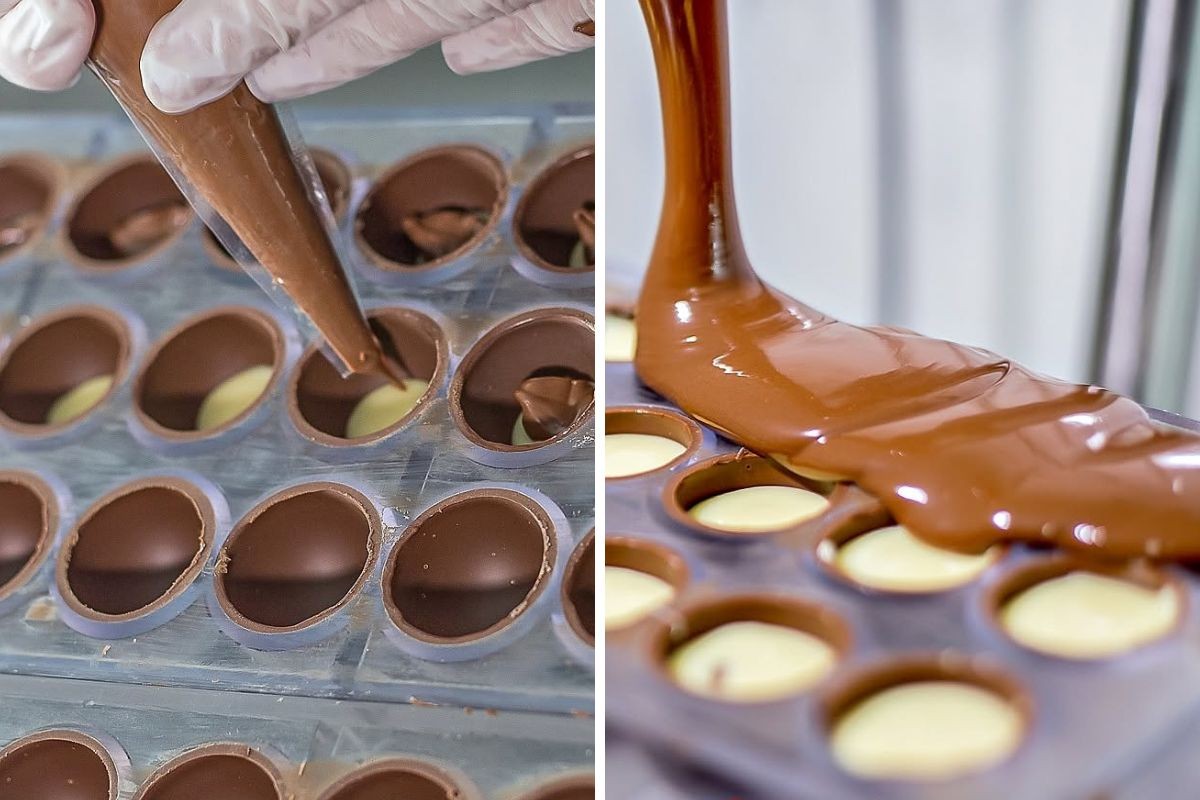
Working with chocolate every day might sound like a dream job, but for professionals like Nathalia Costa, quality manager at a chocolate factory in Caçapava, São Paulo, it requires more than just enjoyment of sweets. The role demands a refined palate, a sharp sense of smell, and keen visual perception, involving rigorous aptitude tests and specific training. Tasters evaluate products from packaging integrity to visual appearance before the actual tasting, which is the final step. This meticulous process ensures the quality of the chocolate, with tasters learning to identify nuanced characteristics of aroma and flavor, including those of cocoa, milk, and bitterness. Quality control begins even before production, with raw materials like cocoa, sugar, and milk undergoing tasting evaluations upon arrival at the factory. In artisanal chocolate production, such as at Liege Chocolates in Campos do Jordão, owners like Cezar Bithencurt also taste every product. Bithencurt, who traveled to Switzerland to study chocolate making, can now assess a chocolate's color and texture simply by looking at it. New products undergo blind taste tests with staff and external individuals to gather feedback for improvements before market release. Aspects like aroma, shine, and the characteristic 'snap' of a chocolate bar are also assessed. Despite tasting chocolate daily, professionals like Costa and Bithencurt report not getting tired of it, attributing this to specific tasting schedules and controlled portion sizes, emphasizing that they 'taste' rather than consume large quantities.
The role of professional chocolate tasters highlights the sophisticated quality control mechanisms within the food industry, transforming a seemingly simple pleasure into a technical discipline. This profession underscores the growing consumer demand for transparency and quality, pushing manufacturers to invest in sensory analysis and rigorous ingredient vetting. As AI continues to advance in analyzing complex data, its application in sensory science may offer new tools for objective quality assessment, potentially complementing human expertise. The industry's reliance on human palates, however, points to the enduring value of subjective experience in product development and consumer satisfaction. Future innovations might involve integrating AI-driven sensory profiling with traditional tasting panels to optimize product consistency and identify novel flavor profiles, ensuring brands meet evolving consumer expectations in a competitive global market.
AI-generated to prompt reflection — not editorial opinion, not advice, not a statement of fact. How this works.