Choosing the Right Electrical Pole Prevents Delays and Enhances Construction Safety
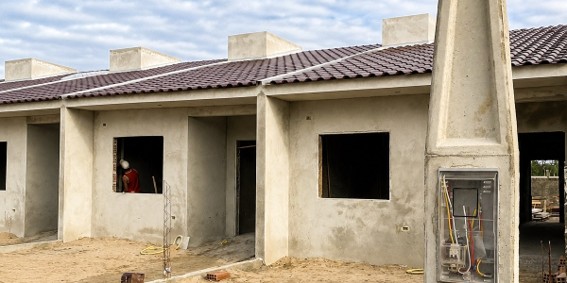
Selecting the correct standard electrical pole is crucial for construction projects, as failures can lead to significant delays, rework, and increased costs. These poles, though a small part of a building's overall expense, play a vital role in the safety of the structure and compliance with utility company technical requirements. Inova Concreto emphasizes that while many concrete poles may appear similar, their performance varies greatly due to differences in raw material quality, steel reinforcement, concrete compaction, and curing processes during manufacturing. Inadequate control over these stages can result in internal cracks, allowing moisture ingress, which accelerates the corrosion of the metal reinforcement, compromising the pole's durability and structural integrity. This issue is particularly critical in humid regions like Vale do Ribeira and coastal areas such as Baixada Santista, where salt spray exacerbates corrosion in poorly made structures. Beyond material quality, poles must withstand continuous stress from electrical cables and wind. Experts recommend choosing poles from approved and recognized manufacturers that adhere to standardized industrial processes and rigorous quality control throughout production. To avoid issues during utility inspections, consumers should opt for specialized manufacturers, confirm compliance with utility standards, avoid unverified or artisanal products, check concrete quality, and seek technical guidance for the appropriate model. Inova Concreto, with over two decades of experience, highlights its commitment to technology, innovation, and quality control, using high-strength concrete and precisely dimensioned reinforcement to ensure structural performance, durability, and reliability for various property types.
The selection of standard electrical poles, while seemingly a minor component, significantly impacts project timelines, safety, and long-term structural integrity. The article highlights a systemic issue where cost-saving measures or lack of oversight in manufacturing can lead to critical failures, necessitating costly rework and delaying occupancy. This underscores the importance of robust quality assurance and regulatory compliance in construction materials. As urban development intensifies and infrastructure demands grow, the reliance on standardized, high-quality components becomes paramount. Future-proofing construction involves not only adhering to current standards but also anticipating the stresses of evolving environmental conditions and increased load requirements, driven by technological advancements and denser living. Manufacturers who invest in advanced production processes and transparent quality control offer a critical risk mitigation strategy for developers and homeowners alike, ensuring resilience and reducing the potential for cascading failures within the electrical grid and building structures.
AI-generated to prompt reflection — not editorial opinion, not advice, not a statement of fact. How this works.