Choosing the Right Mattress: Firm, Soft, or Medium?
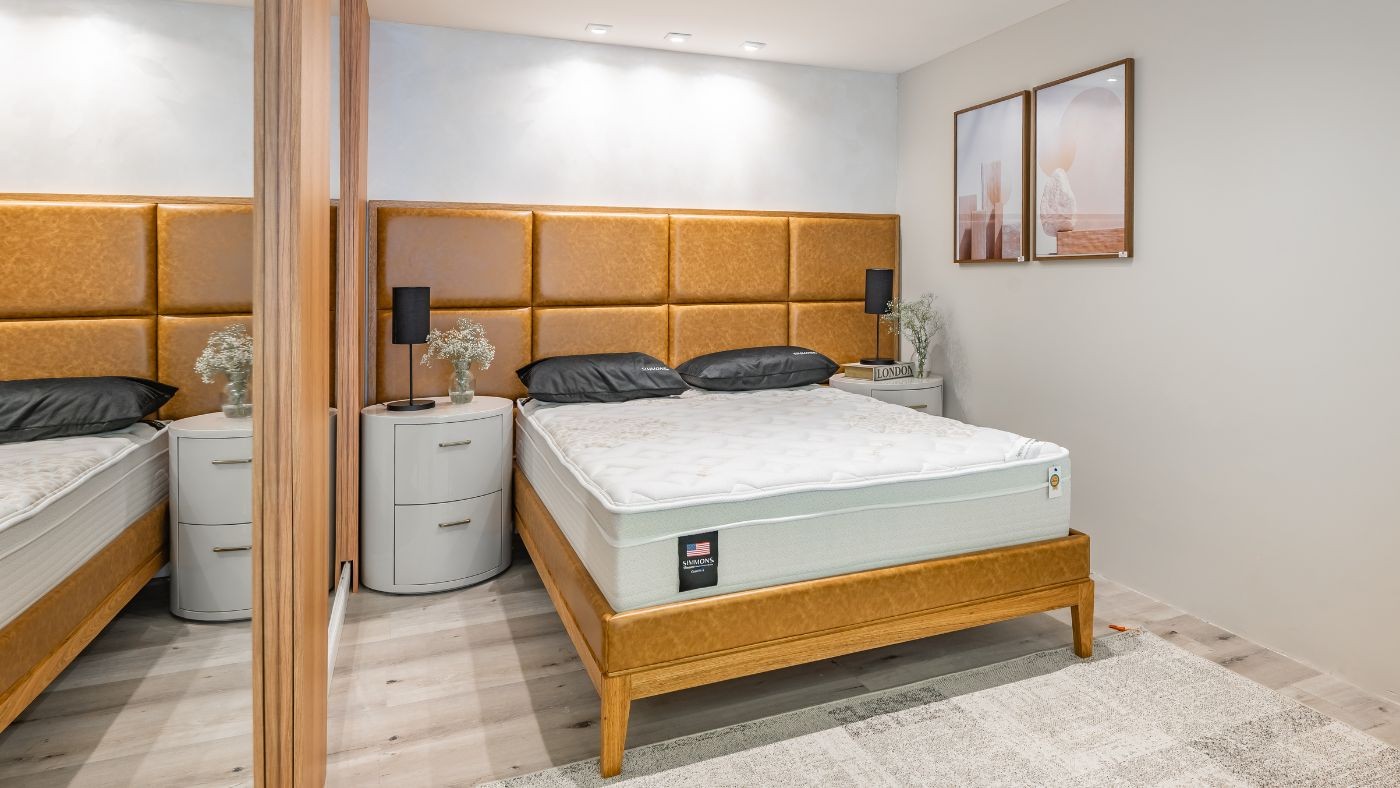
Selecting the ideal mattress can be a common dilemma, as there isn't a single perfect model for everyone. The choice depends on individual factors such as body weight, sleeping position, support needs, and, crucially, the desired level of comfort. A mattress is more than just bedroom furniture; it's an investment in health and quality of life, as an inadequate model can lead to back pain, muscle discomfort, and poor sleep, impacting daily energy and performance.
The key to finding the right mattress lies in balancing support and comfort. Soft mattresses are often recommended for side sleepers, as they help alleviate pressure on the shoulders and hips, providing an embracing and cozy sensation. Medium mattresses are frequently suggested by experts for their excellent balance of softness and support, promoting spinal alignment and appealing to a wide range of users, making them popular in high-end hotels and suitable for couples with different preferences.
Firm mattresses offer a more stable surface and greater support, ideal for individuals with larger body types or those who prefer a firmer feel. They aid in maintaining spinal alignment and provide consistent support throughout the night. Beyond firmness, mattress comfort is a result of combined technologies, including spring systems and high-performance foams, designed for ergonomics and well-being. Brands like Simmons utilize exclusive technologies, such as individually pocketed coils and specific support systems, to enhance weight distribution and reduce motion transfer. Regularly replacing an old mattress is essential for maintaining sleep quality and spinal health, contributing to better sleep, reduced pain, improved recovery, and increased daily energy.
The selection of a mattress is presented as a personal health decision, emphasizing individual needs over a one-size-fits-all approach. This framing highlights the market's response to consumer demand for personalized wellness solutions. The article implicitly suggests that mattress manufacturers have an incentive to educate consumers about product features, thereby driving sales of higher-tier, technologically advanced options. From a systemic perspective, the longevity and efficacy of such products are critical for long-term consumer satisfaction and public health outcomes related to sleep quality and musculoskeletal health. As AI and material science advance, future mattress designs may offer even more dynamic and personalized support, potentially integrating biometric feedback for optimal sleep conditions.
AI-generated to prompt reflection — not editorial opinion, not advice, not a statement of fact. How this works.