Choosing the Right Security: Presence, Traditional Gatekeeping, or Technology?
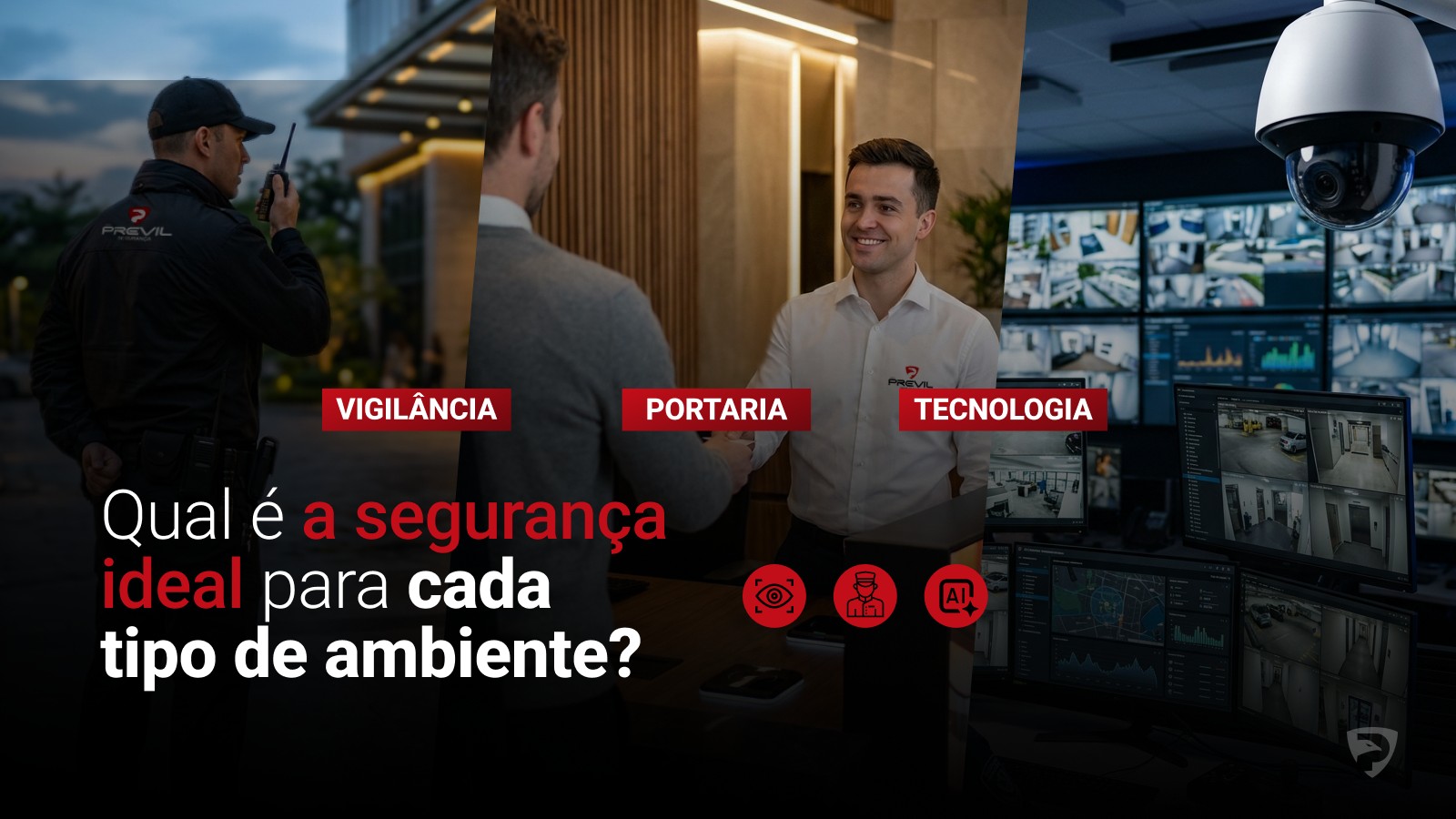
As concerns about safety rise for businesses, condominiums, and commercial spaces, the demand for more effective and strategic security solutions is growing. Key options include on-site security personnel, traditional gatekeeping services, and advanced technologies like remote monitoring and smart access control. Experts emphasize that the optimal choice is not universal but depends on specific environmental factors, foot traffic, and the level of risk involved, with security being a tailored project rather than a one-size-fits-all package.
On-site security remains crucial for locations requiring immediate action and constant physical presence, serving as both a deterrent and a rapid response mechanism. Traditional gatekeeping is vital for managing access in residential and commercial buildings, but its effectiveness can be limited when used in isolation, potentially leaving security gaps. The security landscape is evolving, and relying on a single approach may not suffice.
Technological advancements, such as remote monitoring, virtual gatekeeping, and smart access control, are increasingly prominent. These systems offer enhanced precision, traceability, and continuous operation, minimizing human error and providing real-time tracking for greater control and transparency. The market trend points towards integrating these solutions—combining human presence, defined processes, and cutting-edge technology—to create a more robust and efficient security system. This integrated approach significantly elevates protection levels, transforming security from a preventive measure into a strategic investment that enhances confidence, asset value, and peace of mind.
The evolving security landscape highlights a strategic shift from reactive measures to proactive, integrated systems. While traditional security models like physical presence and gatekeeping offer immediate response capabilities, their limitations in scalability and efficiency are increasingly apparent against sophisticated threats. Technology-driven solutions, such as remote monitoring and smart access control, provide enhanced data, continuous oversight, and reduced human error, aligning with the efficiency demands of the digital age. The core challenge lies in optimizing the synergy between human oversight and technological capabilities, ensuring that each element complements the other to create a resilient security posture. This integration represents a strategic investment, not just a cost, fostering trust and protecting assets in an increasingly unpredictable environment, and prompting a re-evaluation of security frameworks for long-term efficacy.
AI-generated to prompt reflection — not editorial opinion, not advice, not a statement of fact. How this works.