Choosing the Right Way to View the August 12, 2026 Solar Eclipse
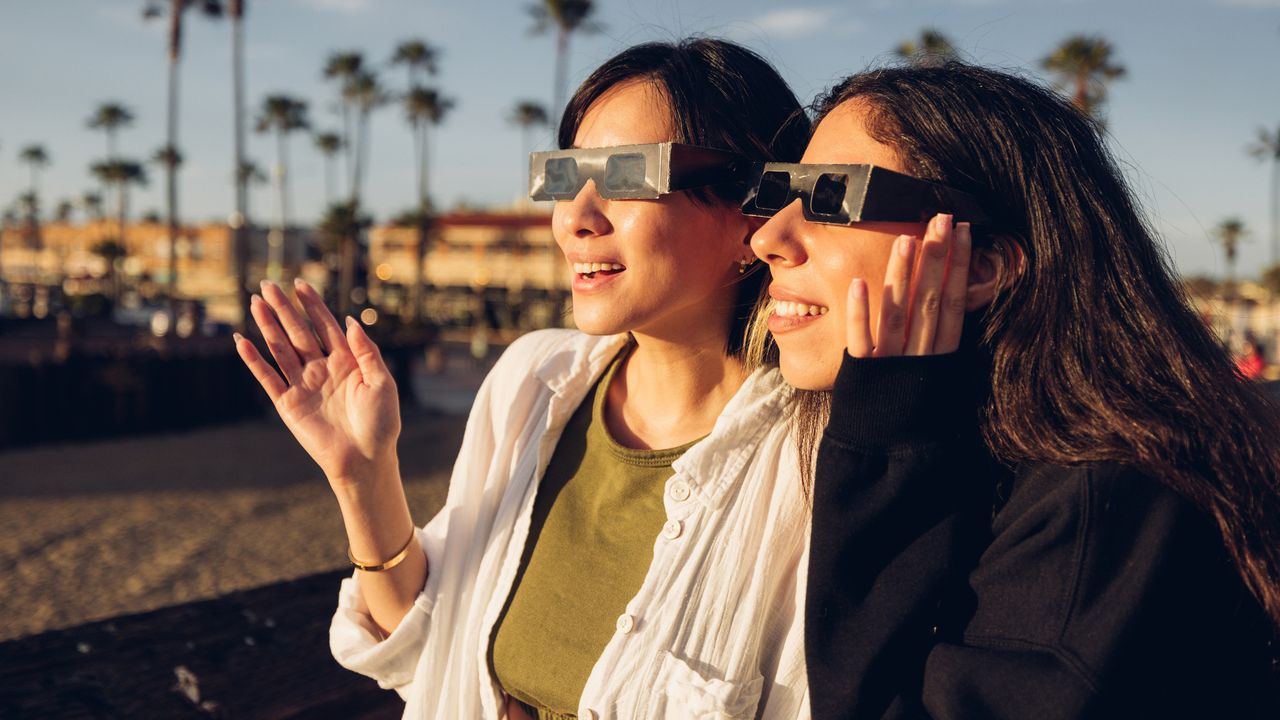
As the solar eclipse on August 12, 2026, approaches, individuals are presented with a variety of safe viewing methods to experience this celestial event. The options range from simple, affordable eclipse glasses to more sophisticated equipment like smart telescopes. The article aims to guide viewers in selecting the most suitable method based on their preferences and resources. Ensuring eye safety is paramount when observing a solar eclipse, and all recommended methods adhere to established safety standards. Whether one prefers a hands-on approach with specialized filters or a more technologically advanced observation with smart telescopes, there are options available for everyone. The selection process involves considering factors such as portability, cost, and the desired level of detail in observation. Ultimately, the goal is to provide a memorable and safe viewing experience of the upcoming eclipse.
The upcoming solar eclipse on August 12, 2026, presents an opportunity for public engagement with astronomical phenomena. The availability of diverse viewing methods, from basic protective eyewear to advanced optical instruments, caters to a broad audience. This accessibility is crucial for fostering scientific literacy and public interest in space science. As technology advances, the integration of smart telescopes and other digital tools offers new avenues for both casual observers and amateur astronomers to capture and analyze celestial events. Future eclipse viewing strategies will likely continue to leverage technological innovation to enhance the educational and experiential aspects of these rare occurrences, potentially democratizing access to high-quality astronomical observation.
AI-generated to prompt reflection — not editorial opinion, not advice, not a statement of fact. How this works.