Christopher Nolan's 'Oppenheimer' Celebrates the Complexities of Human Nature
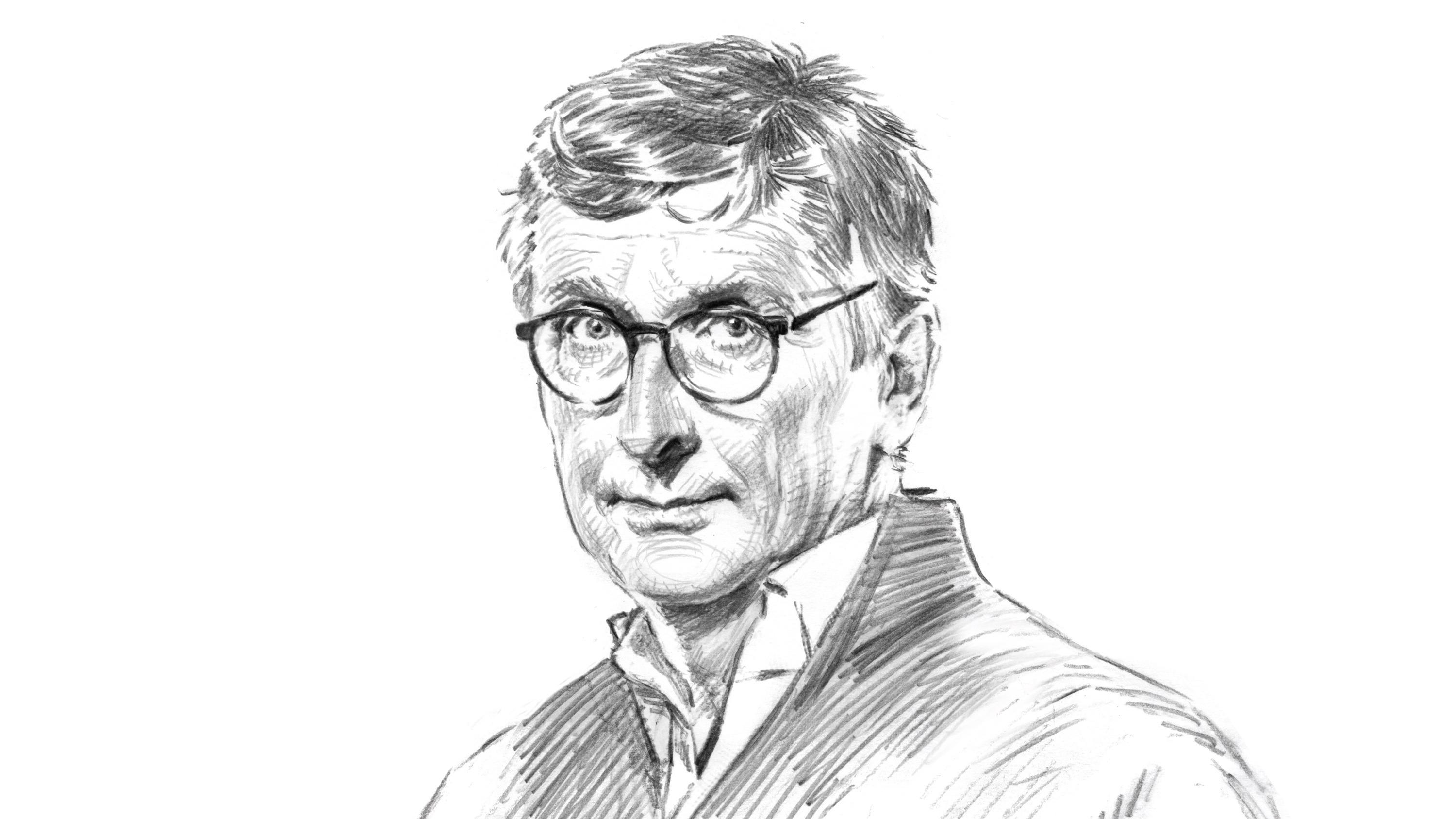
Christopher Nolan's latest film, "Oppenheimer," inspired by Homer's "The Odyssey," premiered in theaters on July 15th. Michel De Jaeghere, Director of Figaro Histoire, used the release as an opportunity to highlight the enduring power and genius of the ancient epic. De Jaeghere emphasized how "The Odyssey" masterfully illustrates the coexistence of admirable virtues and inherent human frailties within every individual. The film, therefore, serves as a cinematic exploration of these timeless themes, reflecting on the dualities present in human character. This reflection on the human condition, as depicted in both the ancient epic and Nolan's film, offers a profound commentary on our nature. The narrative explores the spectrum of human experience, from noble aspirations to everyday shortcomings. It suggests that these contrasting elements are not mutually exclusive but rather integral to what it means to be human. The film's release provides a contemporary lens through which to re-examine these fundamental aspects of our being. De Jaeghere's commentary underscores the relevance of classical literature in understanding contemporary human psychology and behavior.
The film's release, framed through the lens of Homer's "The Odyssey," invites reflection on the enduring human capacity for both great virtue and significant flaws. This narrative framing, while potentially serving to elevate the film's subject matter, also highlights a recurring theme in storytelling and public discourse: the complex duality of human nature. Examining the incentives behind such framing suggests a desire to imbue contemporary narratives with the gravitas of classical epics, potentially enhancing their perceived cultural significance and audience engagement. Looking ahead, understanding how historical narratives are reinterpreted to explore universal human characteristics will be crucial in navigating evolving cultural landscapes and the impact of AI on narrative creation and consumption.
AI-generated to prompt reflection — not editorial opinion, not advice, not a statement of fact. How this works.