Christopher Nolan's 'The Odyssey' Captures Odysseus's Imperfect Heroism
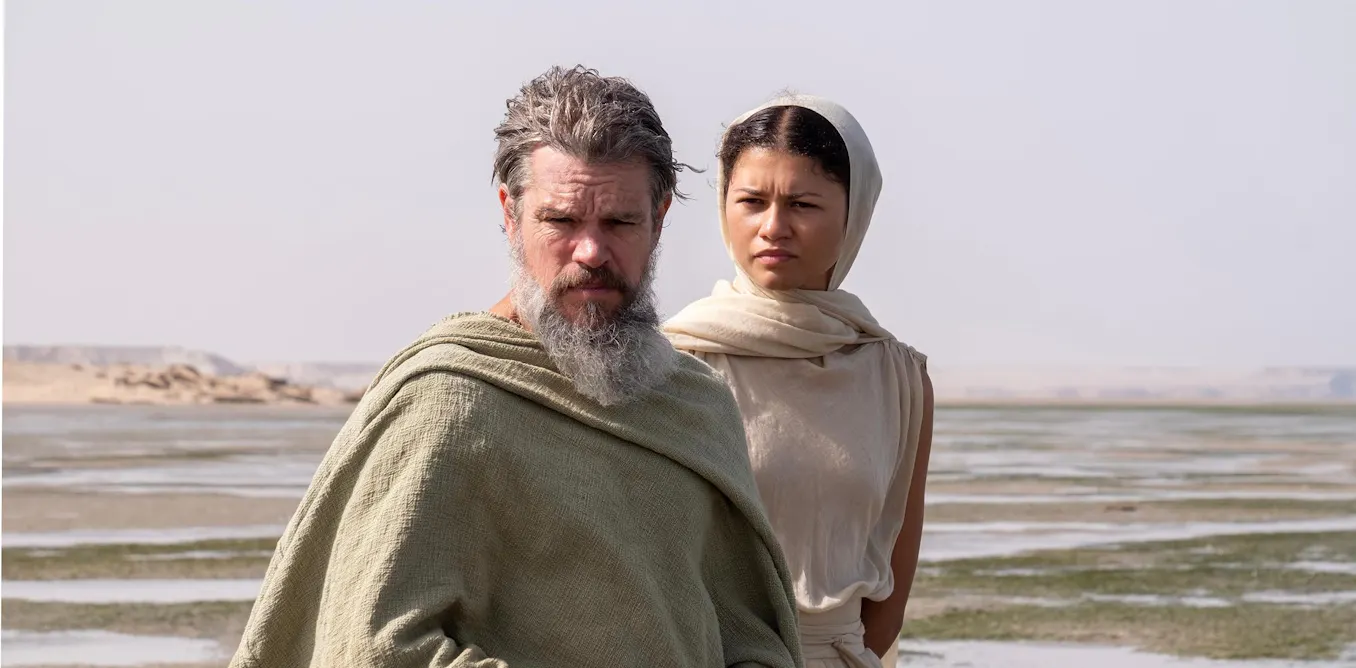
Hollywood often simplifies complex literary characters into one-dimensional figures, a tendency that director Christopher Nolan's adaptation of Homer's 'The Odyssey' successfully avoids. The film recognizes and portrays Odysseus not as a flawless protagonist, but as a character with inherent flaws and complexities. This approach allows for a more nuanced and realistic depiction of the epic hero's journey. By sidestepping the common pitfall of sanitizing literary figures for mass appeal, Nolan's 'The Odyssey' aims to resonate with audiences on a deeper level. The adaptation promises to explore the multifaceted nature of heroism, acknowledging that true strength often lies in overcoming imperfections. This interpretation is expected to offer a fresh perspective on a classic tale, highlighting the enduring relevance of Odysseus's struggles and triumphs.
This adaptation's focus on Odysseus's imperfections challenges traditional heroic archetypes, potentially reflecting a contemporary shift in audience expectations towards more relatable and flawed protagonists. By embracing complexity, the film may tap into evolving narrative preferences that favor psychological depth over simplistic moral binaries. This approach could foster a more critical engagement with heroism, encouraging viewers to consider the multifaceted nature of human character and the challenges inherent in leadership and resilience. The decision to highlight flaws, rather than gloss over them, might serve to underscore the enduring relevance of classical narratives by grounding them in universally recognized human experiences.
AI-generated to prompt reflection — not editorial opinion, not advice, not a statement of fact. How this works.