Chuo Shinkansen Project Rekindles "Return Our Water" Memory, Secures Unprecedented Compensation from JR
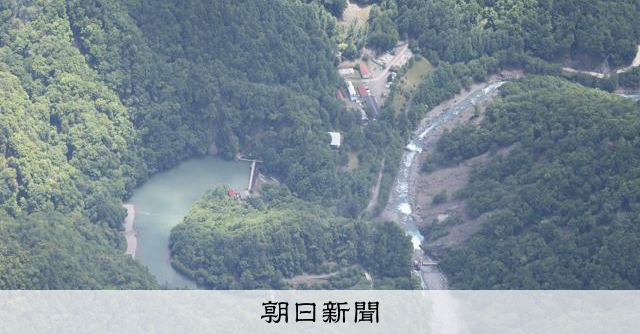
The construction of the Chuo Shinkansen maglev line has revived memories of past water disputes, leading to an exceptional compensation agreement with Japan Railways (JR). Residents and local communities in areas affected by the project have voiced concerns about the impact on water resources, echoing historical struggles where water rights were a significant issue. The phrase "Return Our Water" reflects a deep-seated sentiment regarding the preservation and equitable distribution of water. In response to these concerns and the historical context, JR has agreed to unprecedented compensation measures. This agreement marks a significant departure from standard practices, acknowledging the sensitive nature of water resource management and the potential environmental and social impacts of large-scale infrastructure projects. The specifics of the compensation are intended to address the community's anxieties and ensure that the project proceeds with greater consideration for local water systems. This development highlights the increasing importance of environmental and community considerations in major development plans.
The Chuo Shinkansen project's engagement with historical water resource grievances and subsequent exceptional compensation package illustrate a critical evolving dynamic in large-scale infrastructure development. As megaprojects increasingly intersect with environmental sensitivities and historical community rights, developers face heightened scrutiny. This situation suggests a growing imperative for proactive stakeholder engagement and adaptive environmental management strategies, moving beyond traditional impact assessments. The precedent set by this compensation may influence future negotiations, potentially normalizing more robust community benefit and environmental remediation agreements as standard practice in infrastructure planning globally. This reflects a broader societal shift towards prioritizing ecological sustainability and historical equity alongside economic and technological advancement.
AI-generated to prompt reflection — not editorial opinion, not advice, not a statement of fact. How this works.