Church of England Rejects Ambitious Land Rewilding Target
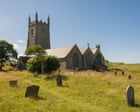
The Church of England has voted against a proposal to rewild 30% of its land by the year 2030. This decision has drawn criticism from environmental campaigners who accuse the Church of failing to demonstrate moral leadership. As one of the largest landowners in England, the Church of England manages approximately 425,000 hectares (105,000 acres) of territory. Currently, only a small fraction, just 3.5%, of this vast estate is dedicated to nature restoration efforts. Campaigners argue that the Church, given its significant landholdings, has a unique opportunity and responsibility to contribute meaningfully to biodiversity goals. The rejection of the rewilding target suggests a divergence between the Church's stated environmental concerns and its practical land management strategies. This outcome may prompt further debate on the role of major institutions in addressing the ecological crisis.
The Church of England's decision to reject a significant land rewilding target highlights a common tension between institutional land management and ambitious environmental goals. While the Church is one of England's largest landowners, its vote against the 30% rewilding target by 2030 suggests a prioritization of other land use considerations over immediate ecological restoration. This situation reflects broader challenges in achieving large-scale conservation objectives, where established land ownership structures and economic interests can impede rapid environmental action. The criticism from campaigners underscores the growing public expectation for major institutions to exhibit stronger environmental stewardship. Looking ahead, the Church's land management policies will be scrutinized for their long-term alignment with biodiversity targets and the evolving demands of the climate crisis.
AI-generated to prompt reflection — not editorial opinion, not advice, not a statement of fact. How this works.